If you’ve ever noticed that one side of your body feels stronger than the other—whether you’re skiing, running, or lifting —you’re not alone. Uneven hip strength is extremely common and can unfortunately affect performance, balance and long-term joint health. Fortunately, targeted exercises can help correct these imbalances and improve how your body moves as a whole.
One of the most effective exercises for addressing side-to-side differences is the single-leg Romanian deadlift (RDL). This movement strengthens the glutes while also acting as a corrective tool, revealing weaknesses that may go unnoticed during traditional two-legged exercises. Because many daily activities and sports require you to stabilize on one leg at a time, training this pattern is key.
The single-leg RDL works from the ground up. It begins with creating a stable base through the foot while the glutes and hips work to keep the pelvis level as the opposite leg reaches back. When the pelvis stays even, movement becomes more efficient. When it doesn’t, the body compensates—often leading to reduced performance or discomfort in the lower back, hips or knees.
Before loading this movement, here’s a way to prepare the muscles and joints with mobility work and a simple progression.
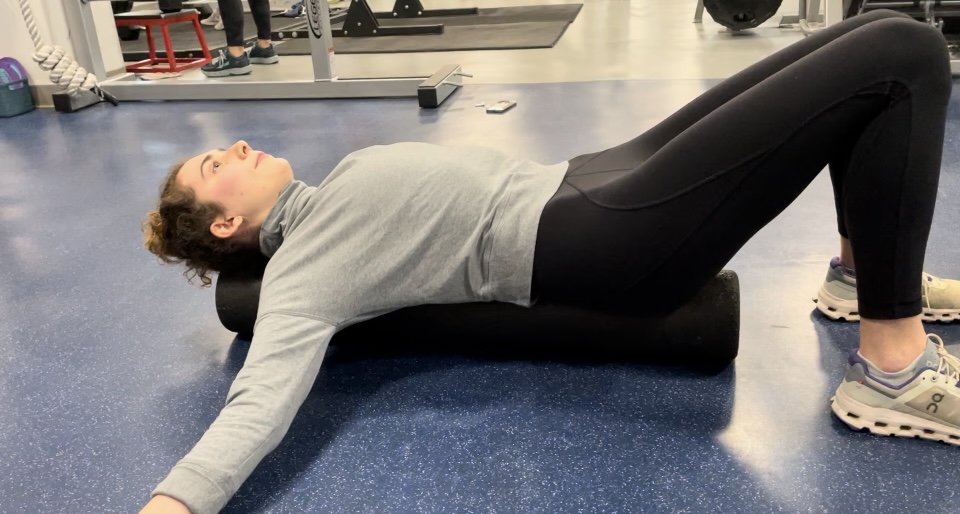
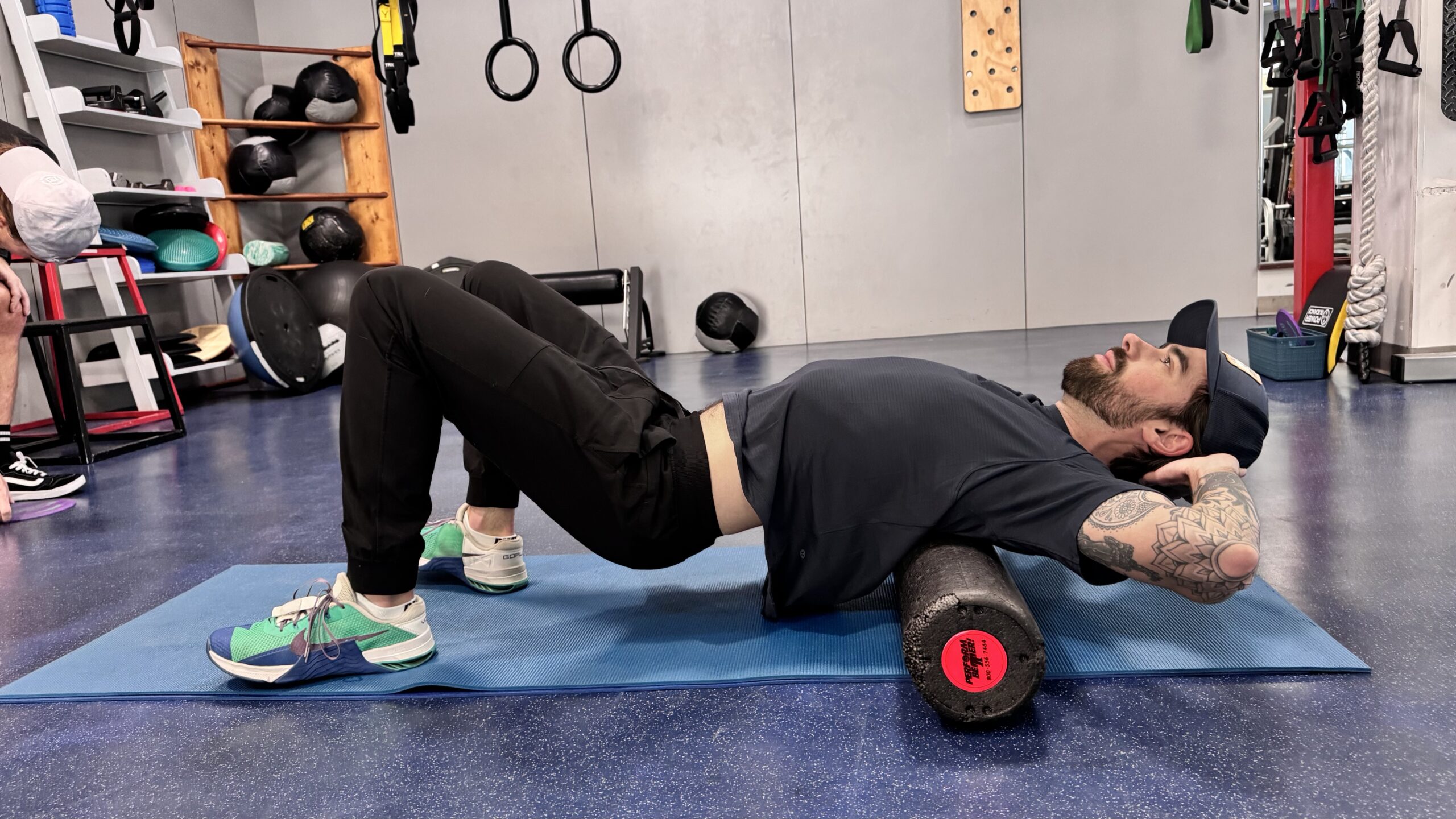
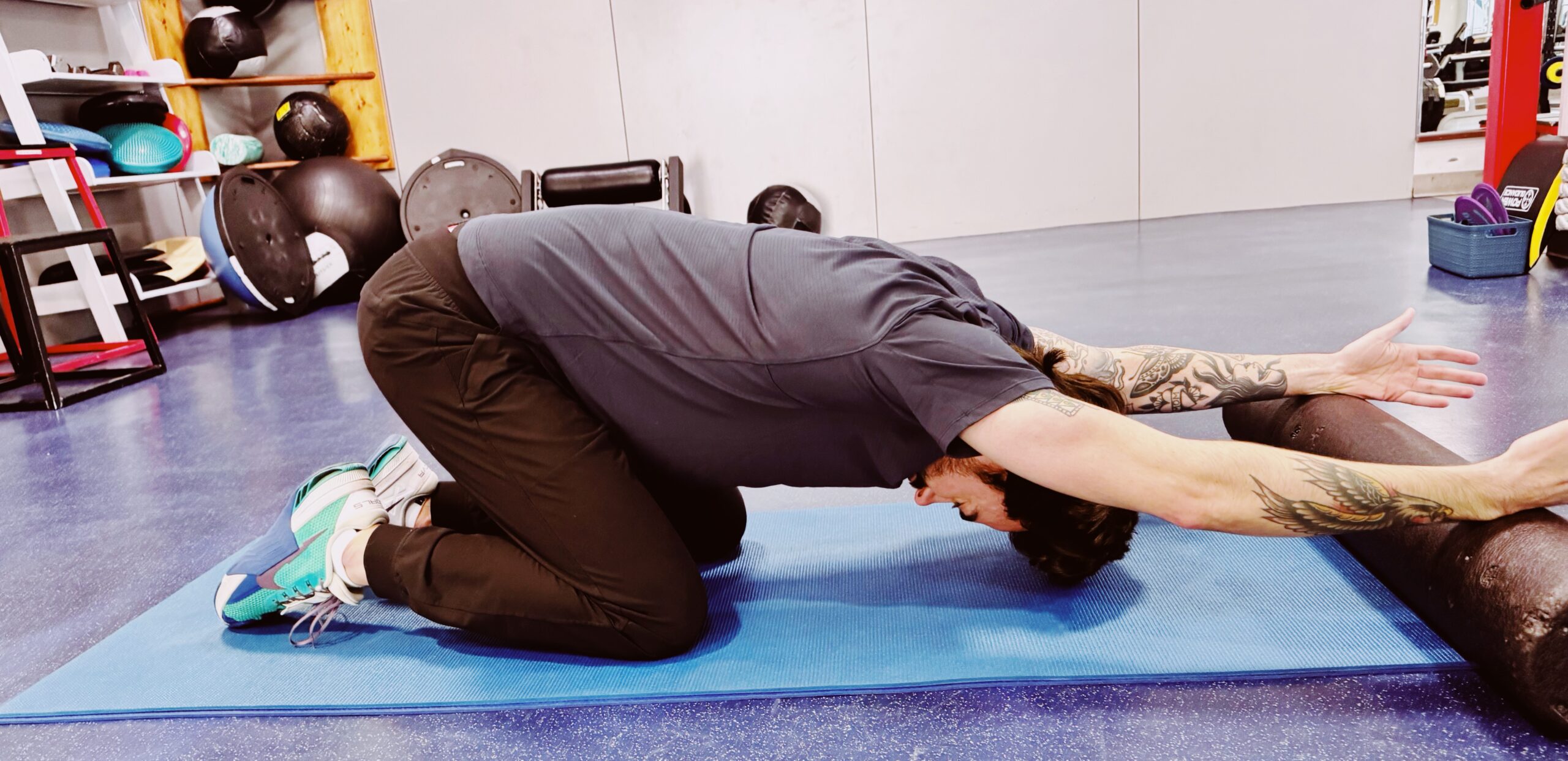
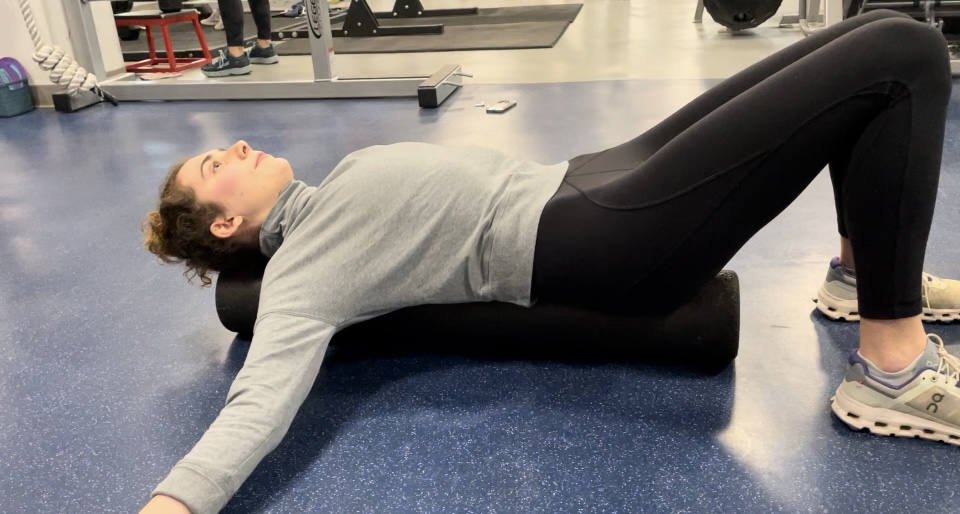
Foam roll the glutes

Tight or shortened glute muscles can limit hip motion and disrupt pelvic alignment, especially for people who sit frequently or tend to overarch the lower back.
Foam rolling the gluteus maximus and piriformis, a deep hip rotator, helps rejuvenate tissue and circulation, allowing the pelvis and hips to move more freely.
- Lie (or sit) on a foam roller and shift your weight slightly to one side. Place your arm or hands on the floor for support. Roll slowly back and forth over the muscle. Roll for 30 seconds to two minutes per side at least once per day.
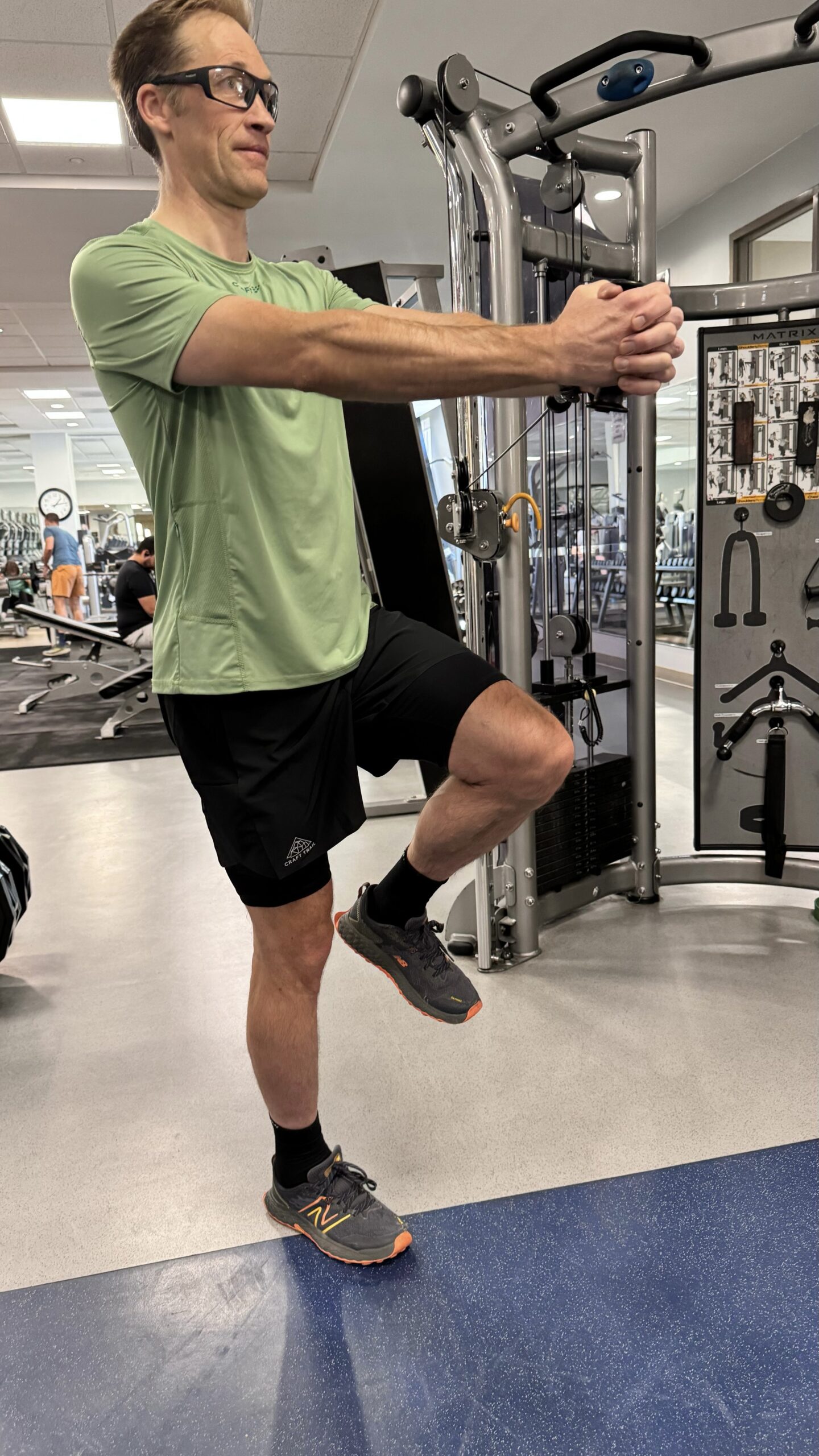
TRX single-leg reaching Romanian deadlift

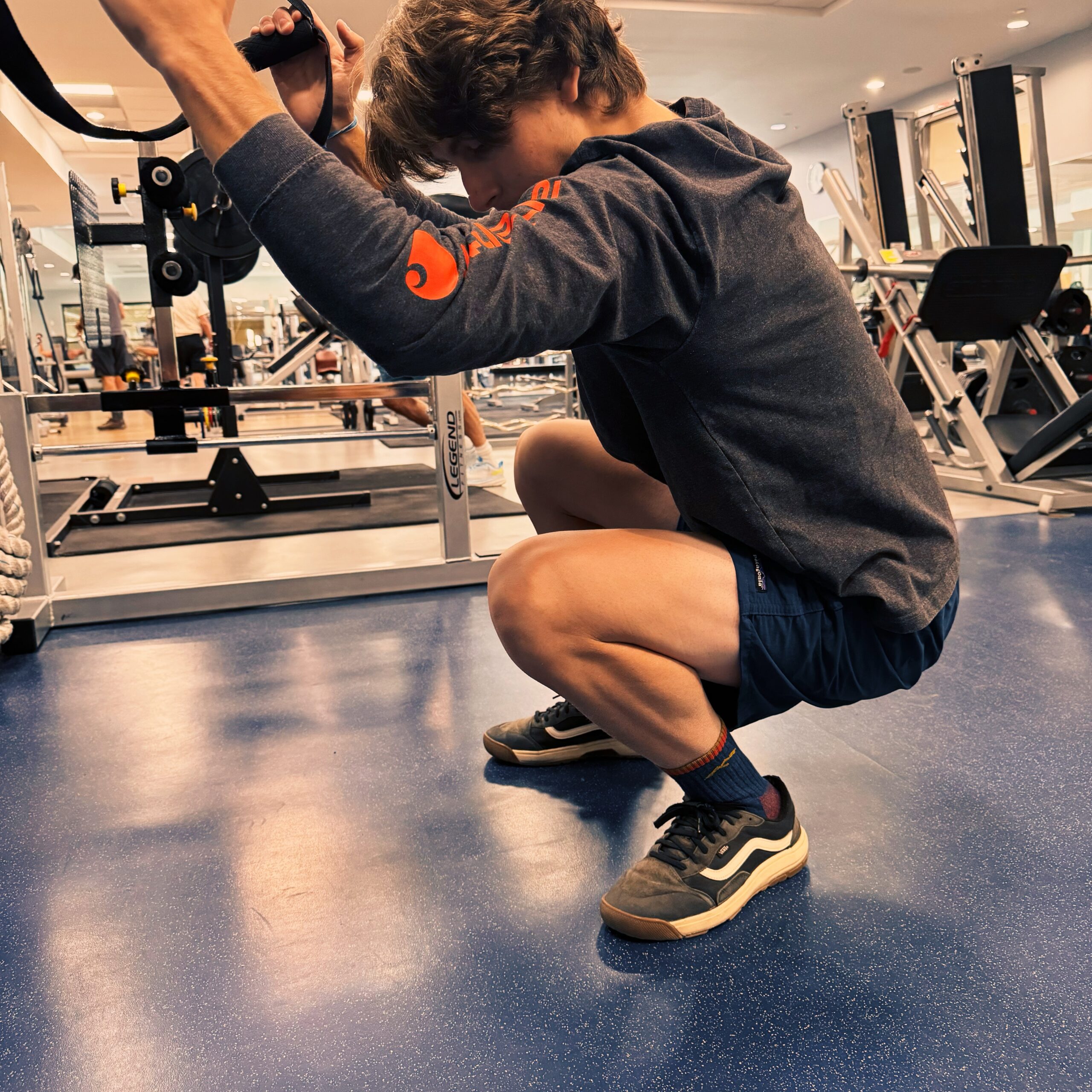
This upright, supported variation reinforces proper hip hinging while developing balance and control. Pressing into the handles engages the anterior core and encourages proper glute activation. The gluteus medius, a key stabilizer of the pelvis, works alongside deep core muscles to maintain alignment, playing a critical role in efficient movement.
- Hold the straps, set at mid-length, with arms extended at chest height. Stand on one leg with a slight bend in the knee and hinge forward at the hips while extending the free leg back. Keep the pelvis level and return to standing. Perform eight slow repetitions per side.
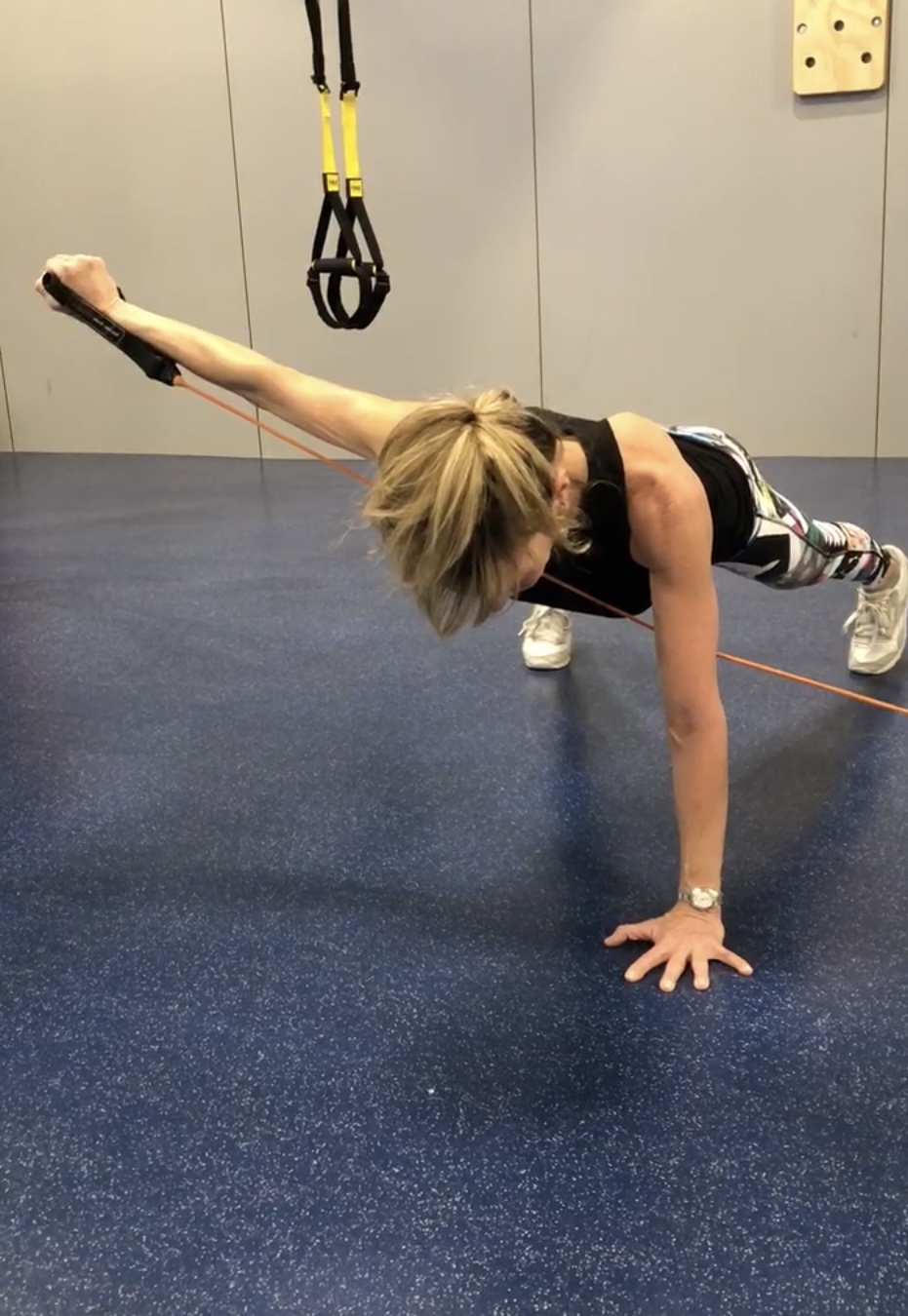
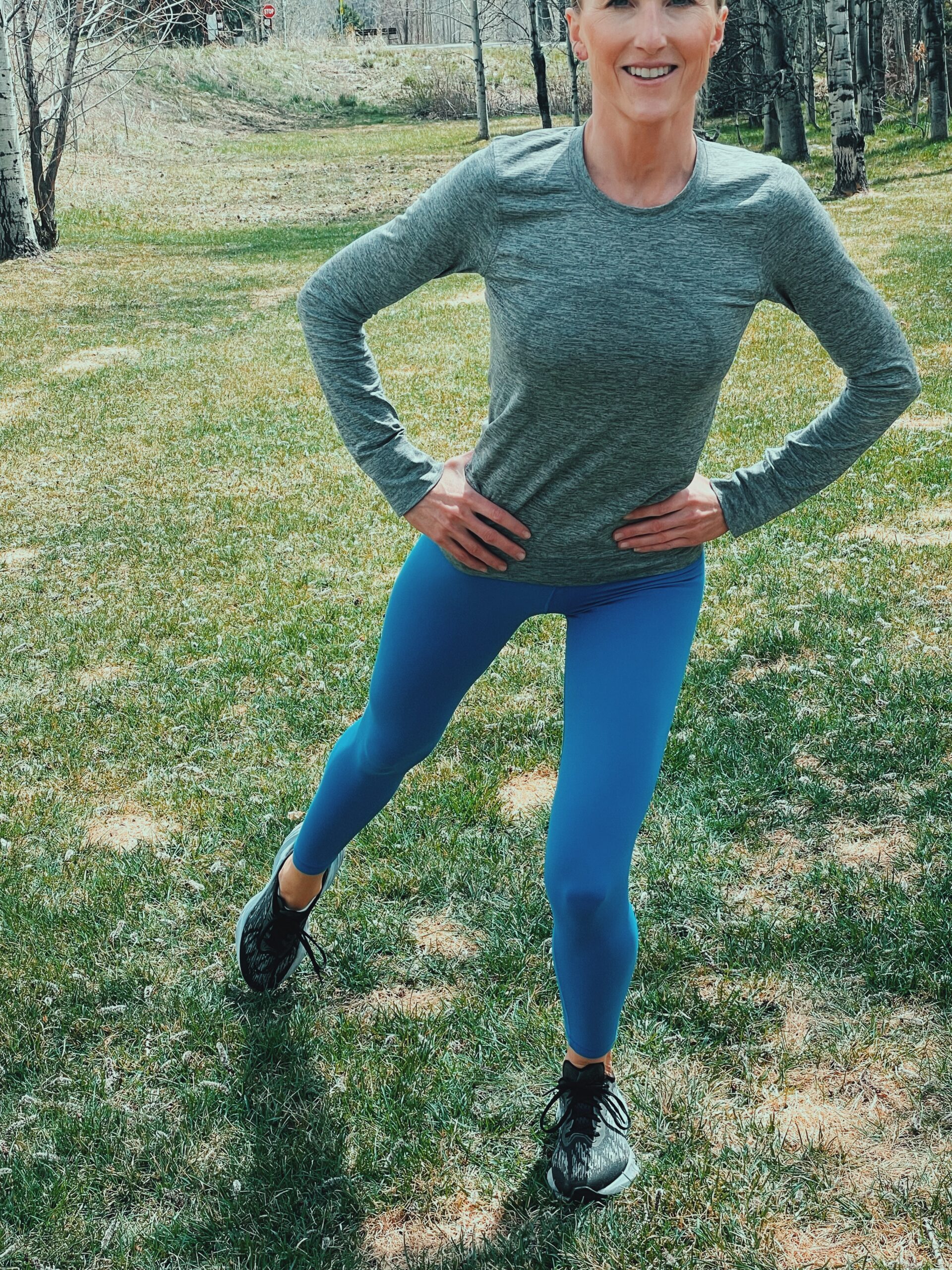
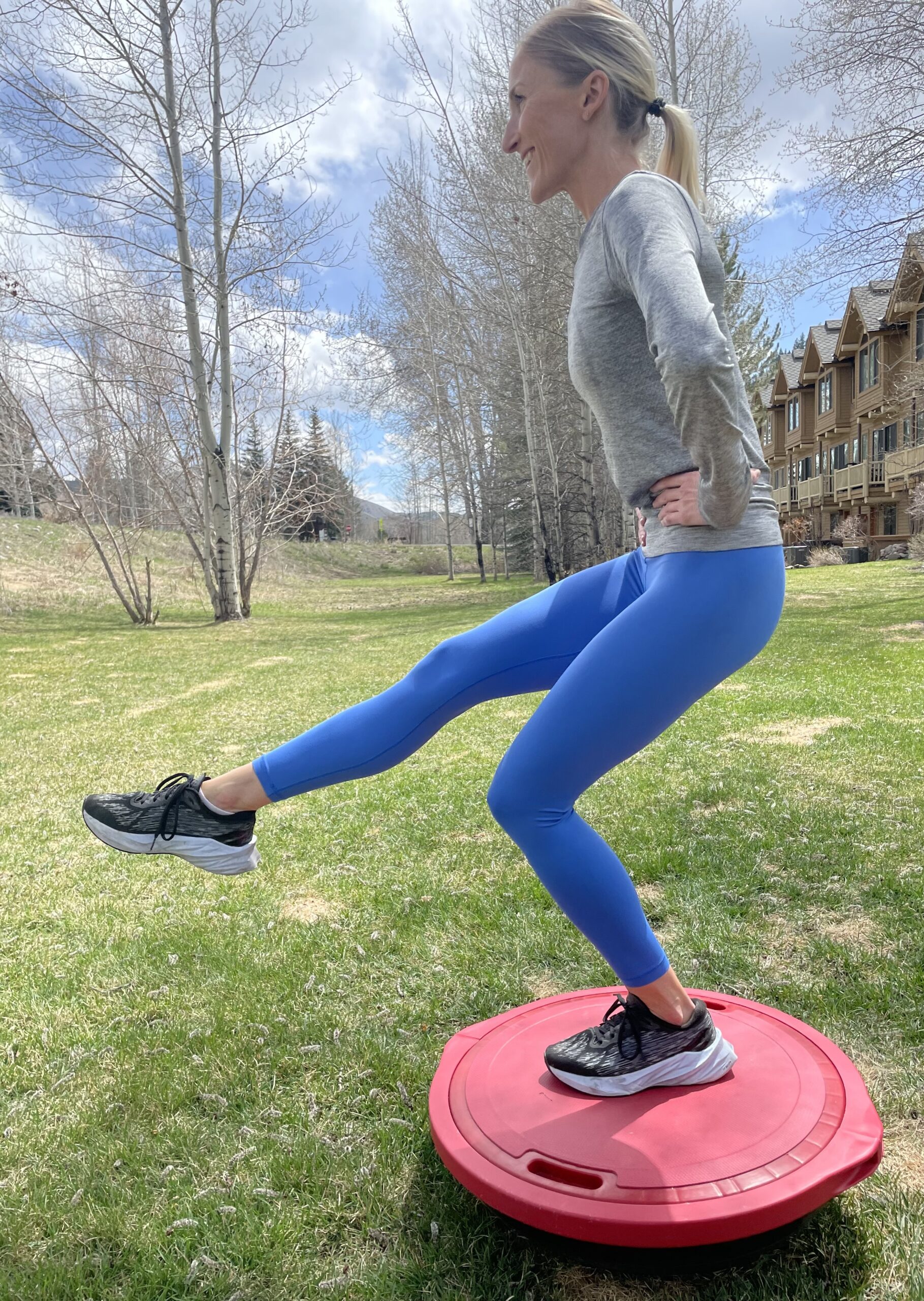
Single-leg Romanian deadlift

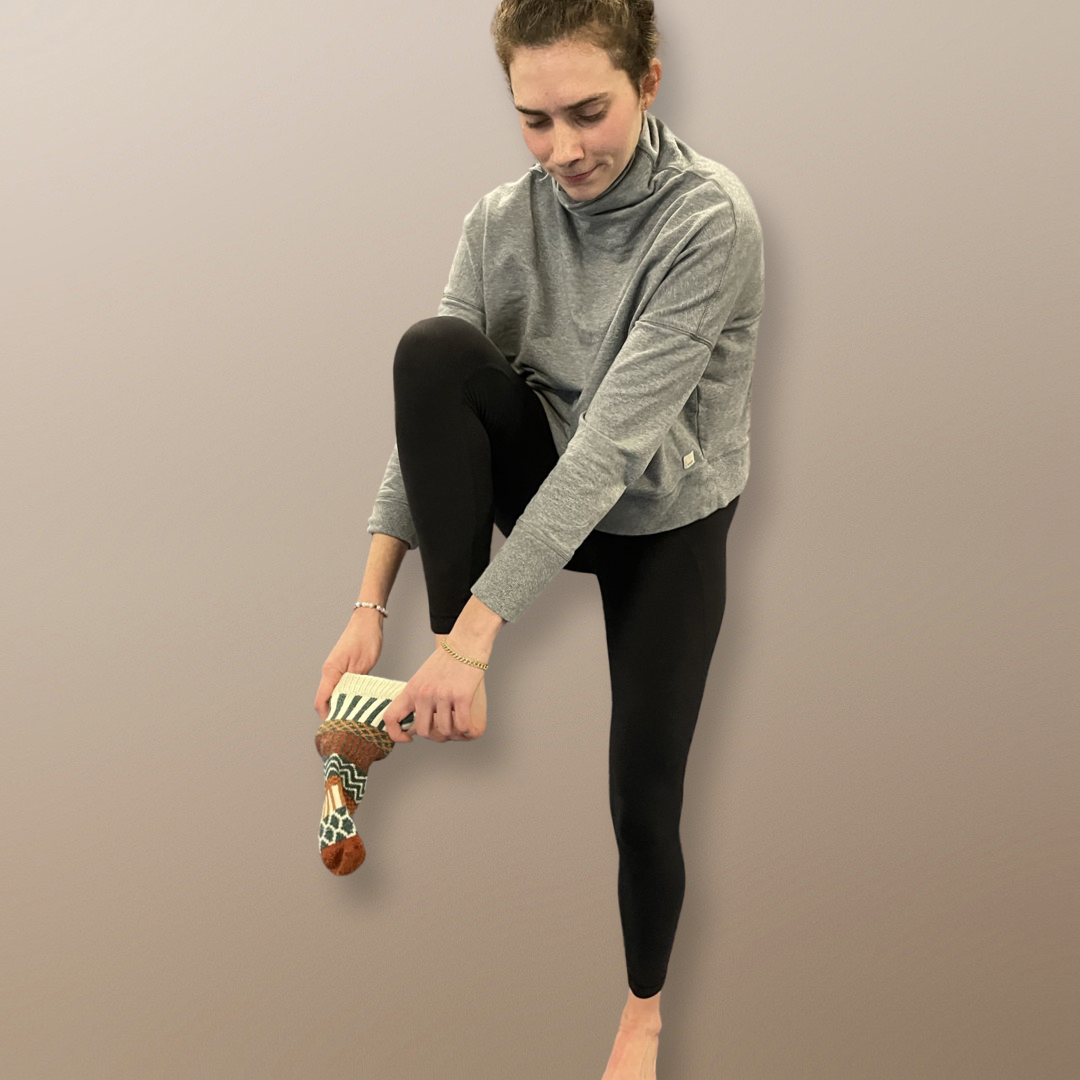
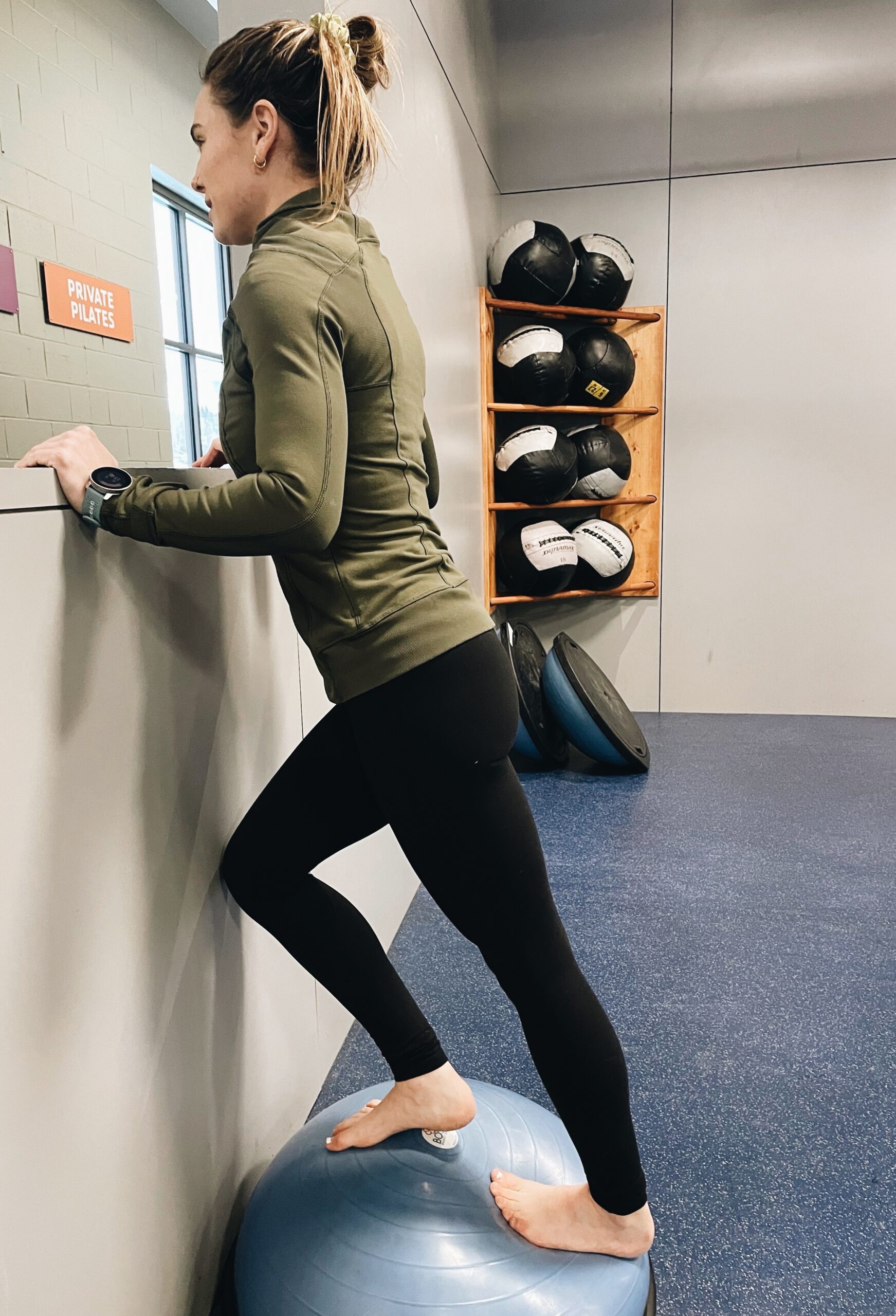
🔹Flex at hip while maintaining slightly bent kneeo of the targeted leg;
keep straight torso.
🔹Reach the free leg back as the chest moves forward, keeping the movement long and horizontal.
🔹Return to start.
🔹Touch the ground between reps to regain balance.
.
The single-leg Romanian deadlift is one of the most effective exercises for strengthening the glutes. Training one side at a time improves balance and pelvic stability, helping the body move more efficiently and confidently in both daily activities and athletic pursuit.
Published in The Idaho Mountain Express February 13, 2026