Ski Strong This Season: Don’t Let the Holidays Slow You Down

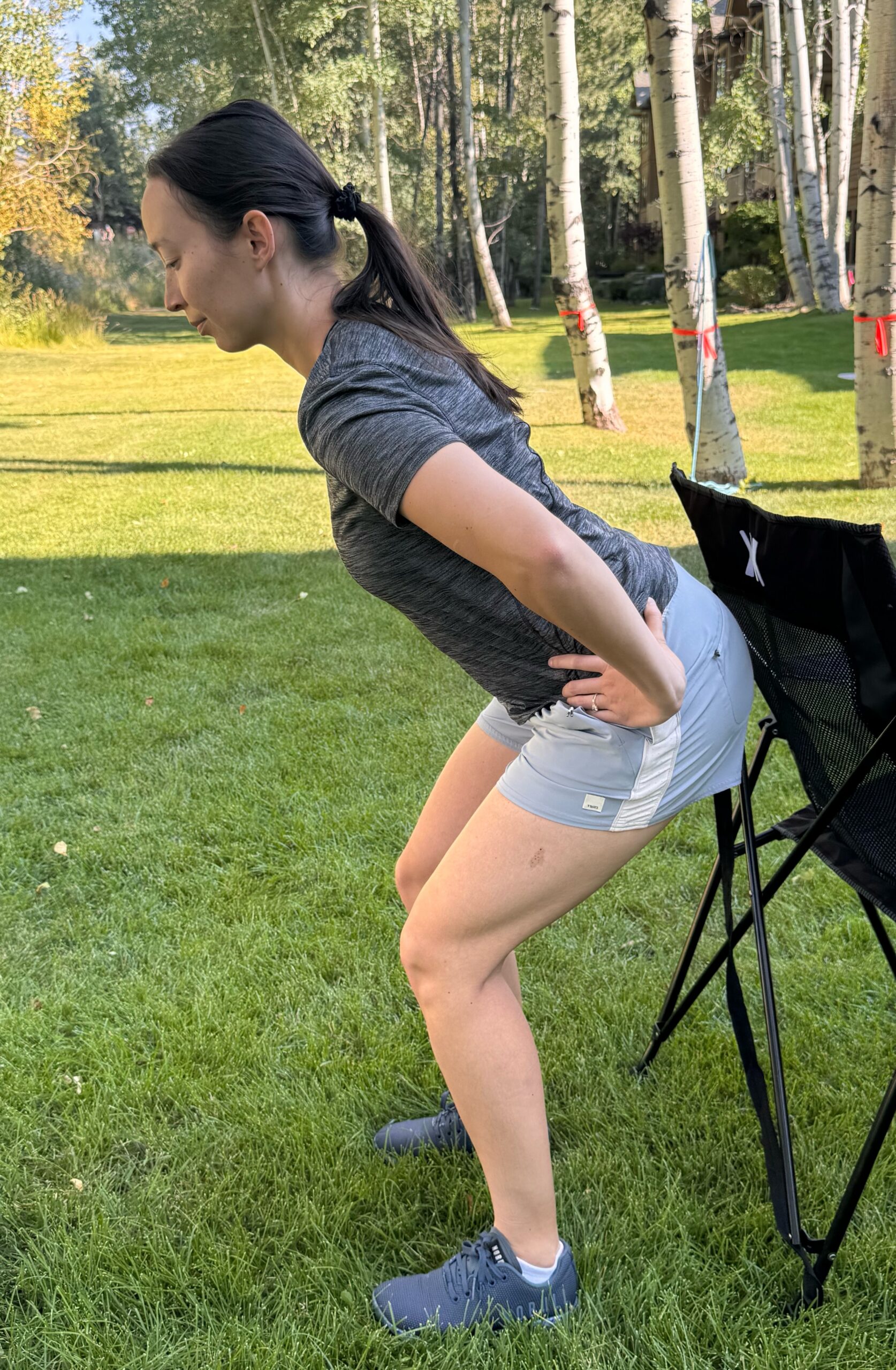
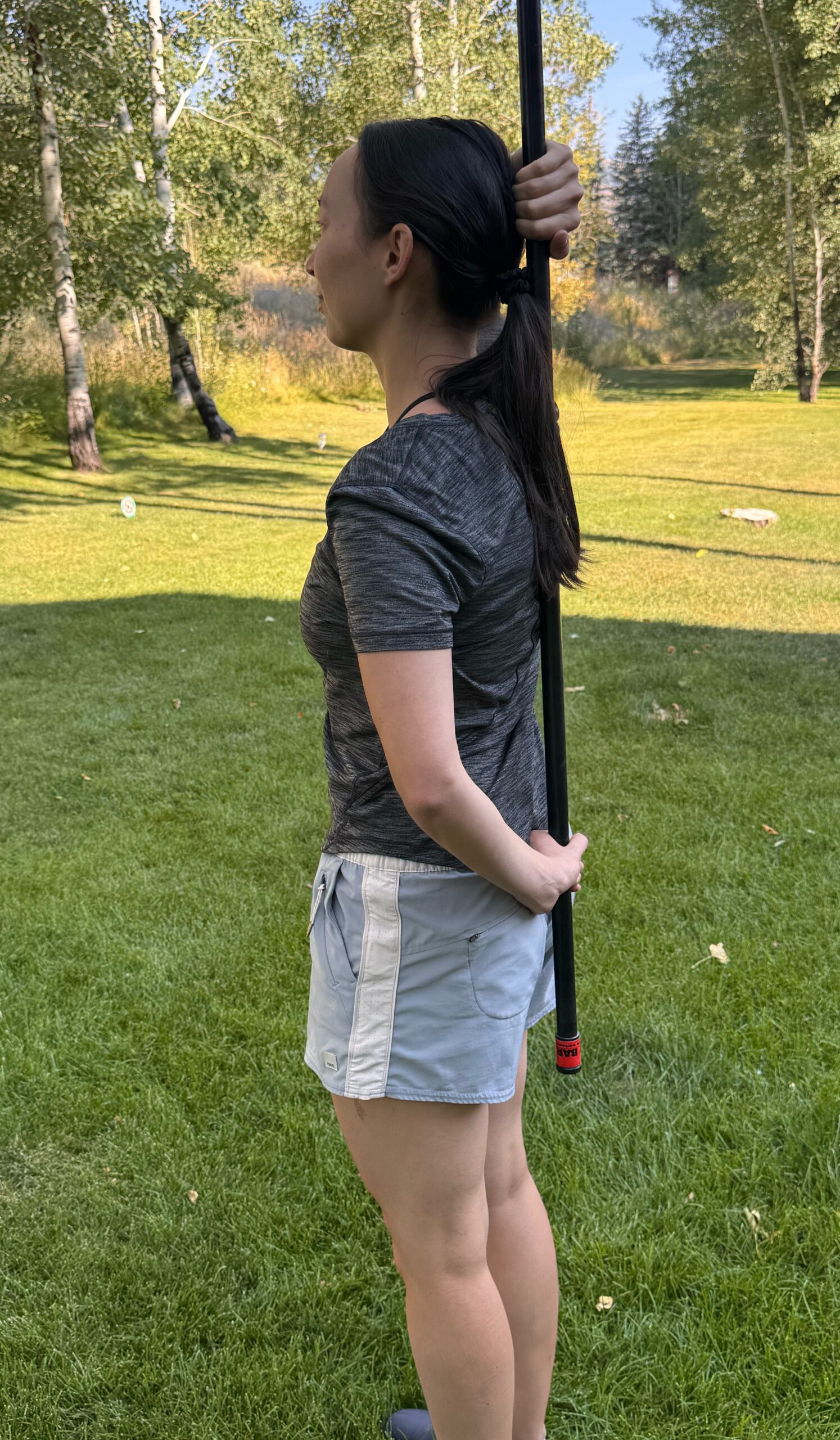
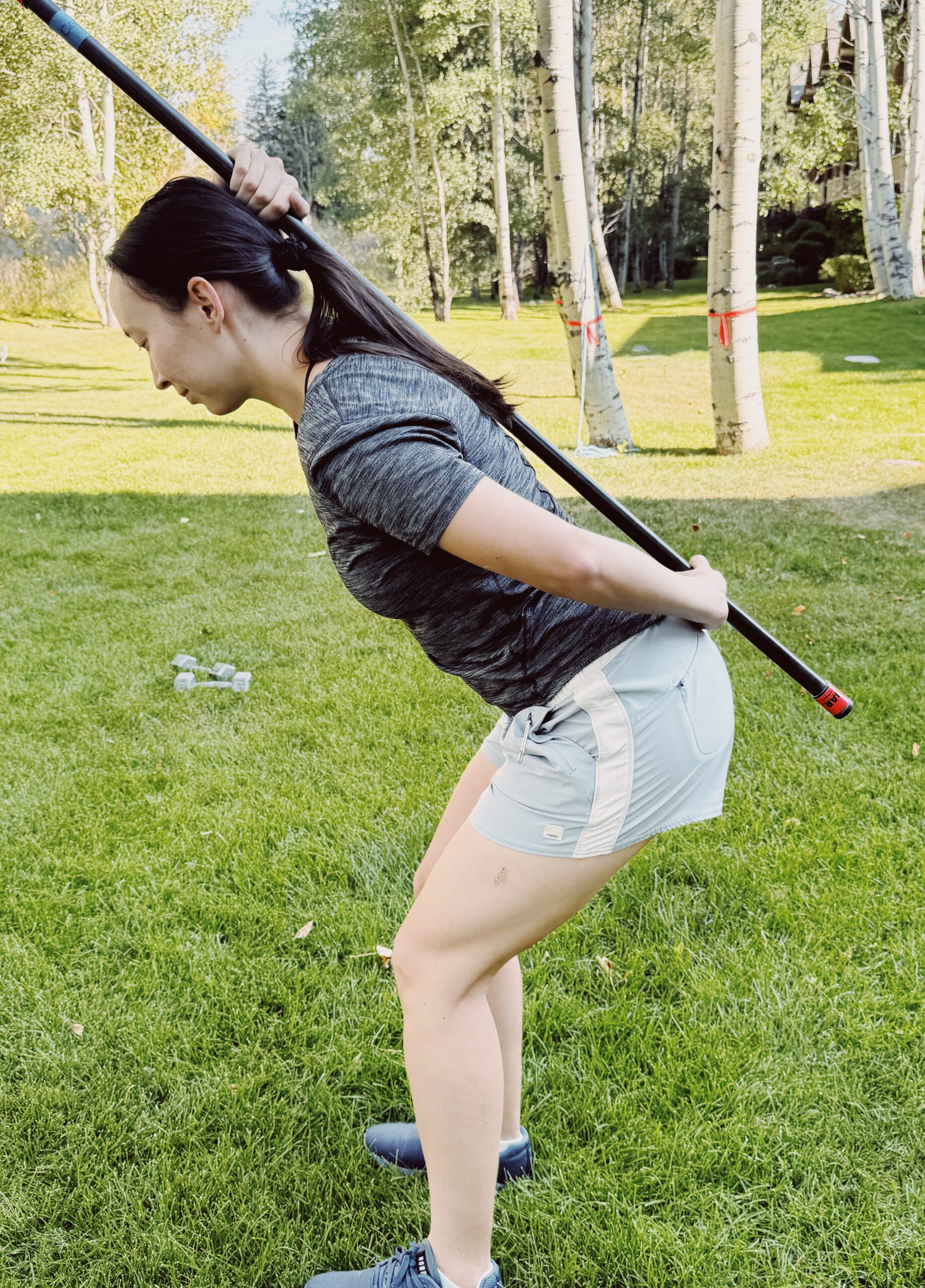
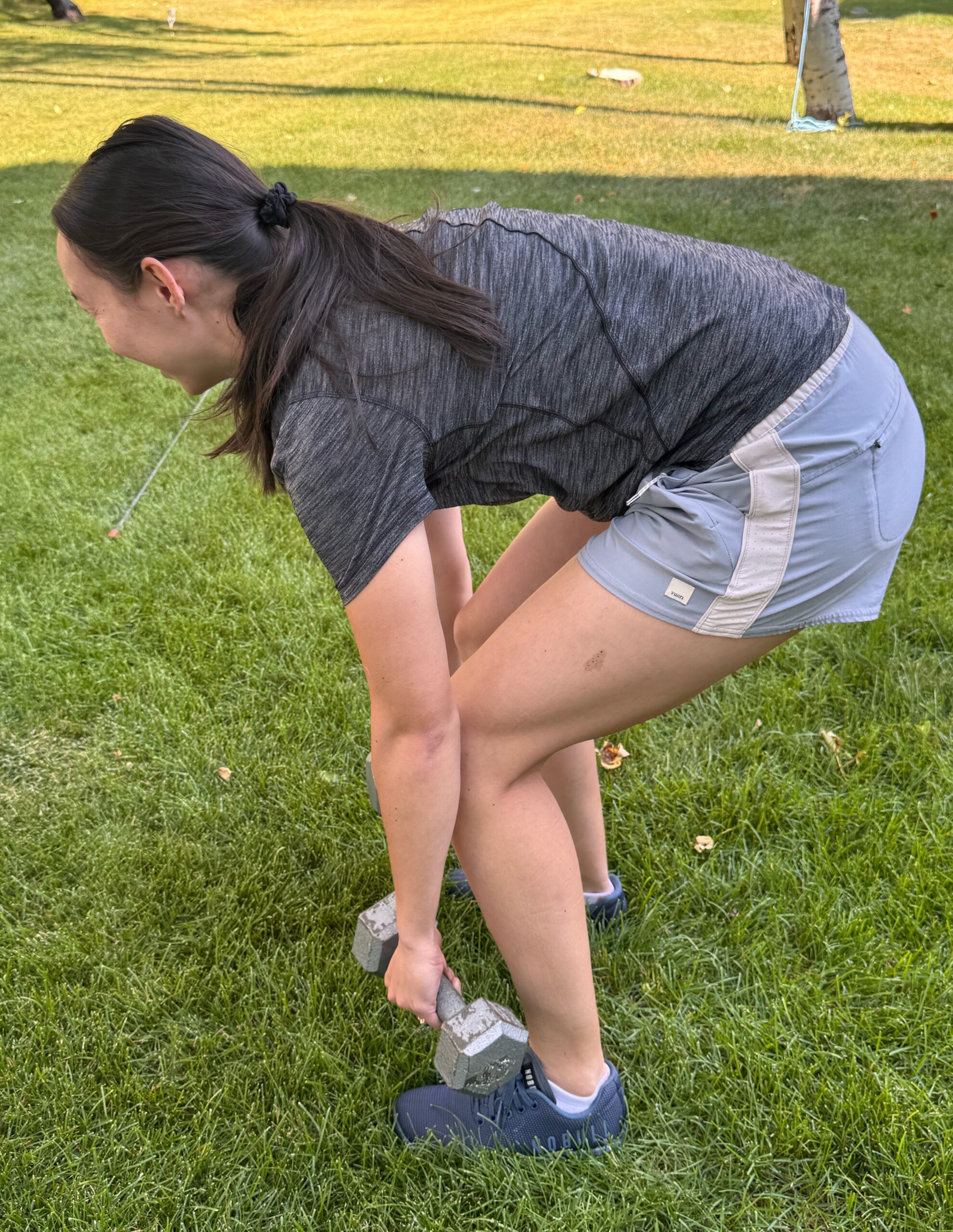
During the holidays, the priority should be to maintance training.

For alpine and nordic skiers, the holiday season arrives just as winter routines are taking shape—when consistency begins to matter more than ambition. With travel, packed schedules, and parties, structured training is often the first thing to disappear. It’s tempting to pause workouts and rely on skiing alone. Sports science suggests that approach comes at a cost.

Consistency, even at reduced volume, is one of the strongest predictors of in-season performance. Strength, power, and aerobic capacity begin to decline sooner than many athletes expect. Research shows minor dips in neuromuscular performance can occur within two weeks of reduced training. For alpine skiers, this can mean decreased force production, earlier fatigue, and increased injury risk. For nordic skiers, reductions in strength and aerobic efficiency can compromise technique and late-race performance. The solution isn’t training harder—it’s not skipping your routine.

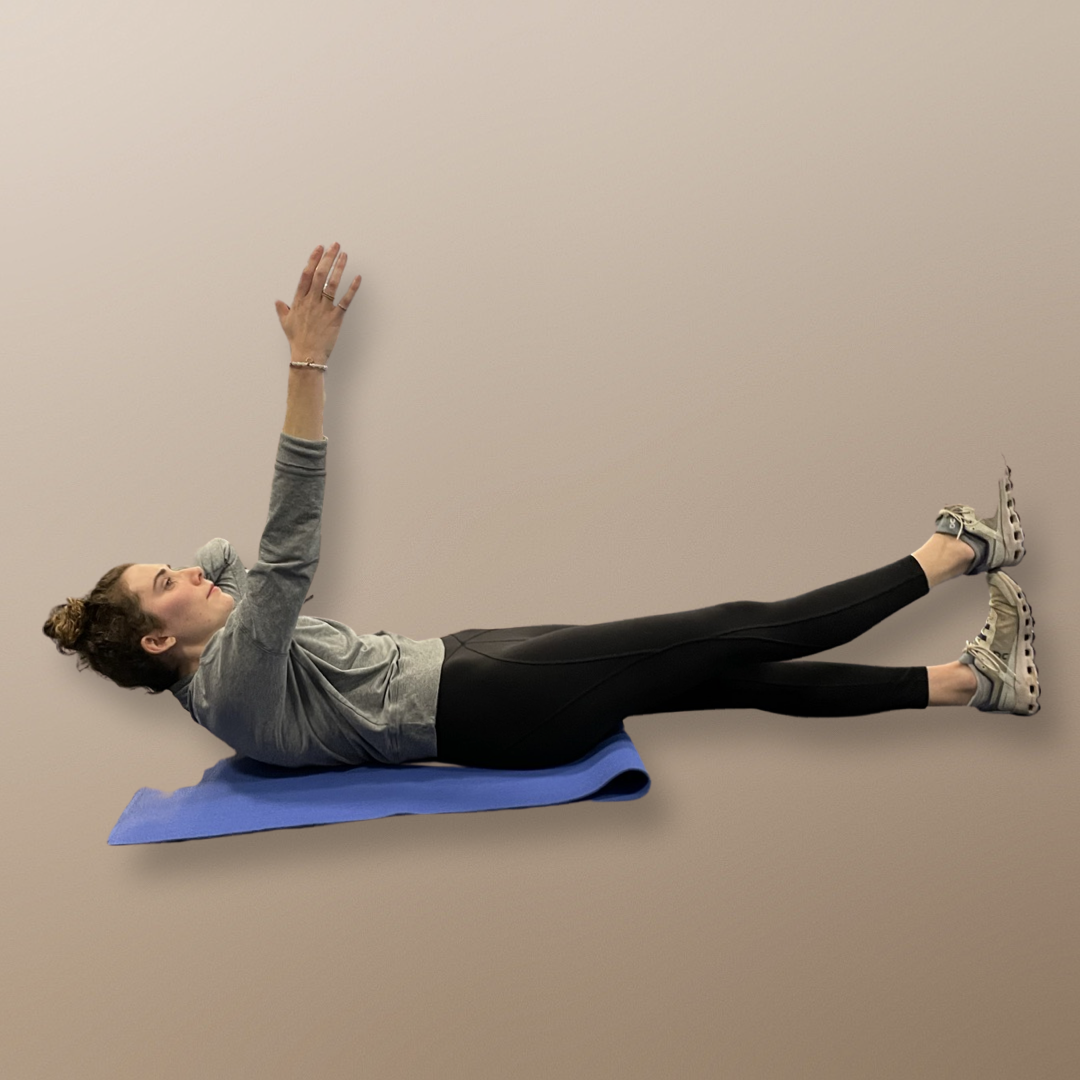
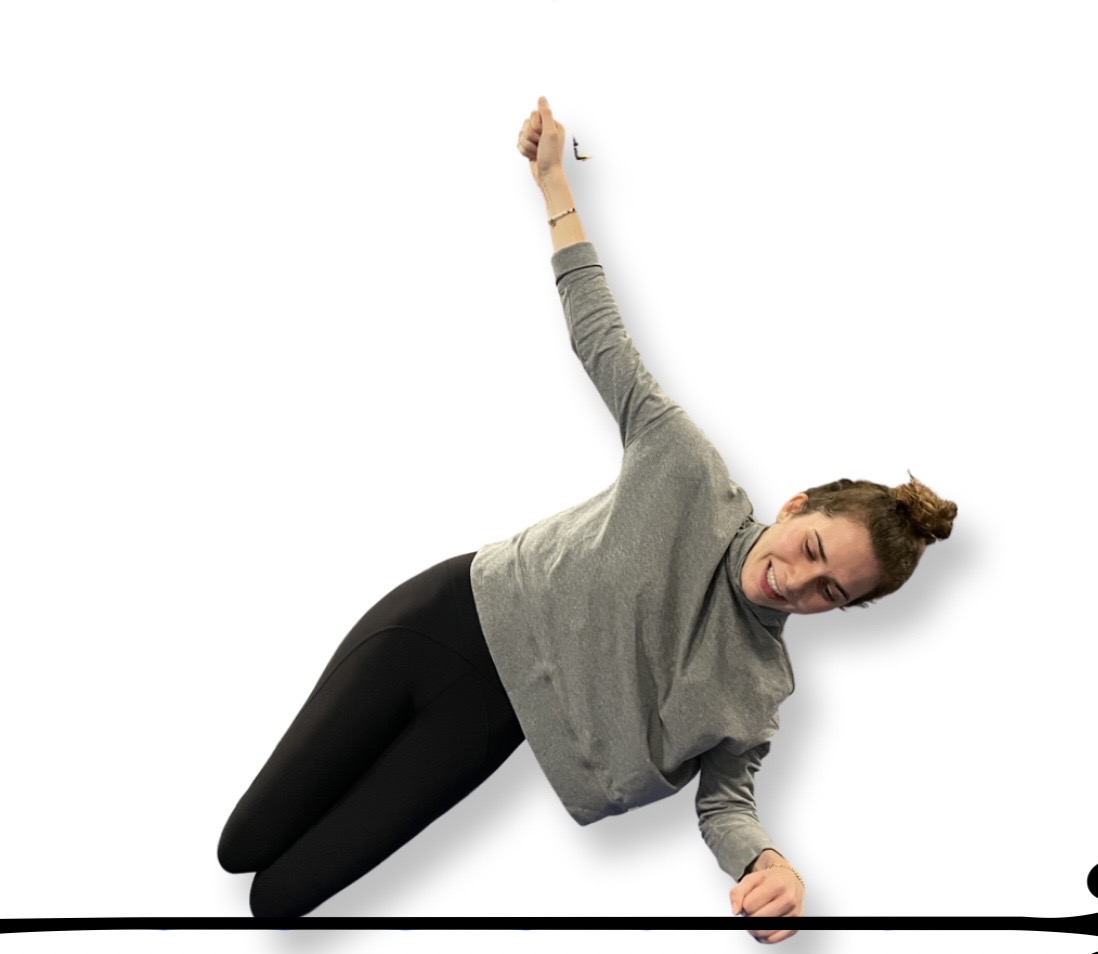
During the holidays, the priority should be maintenance training. Studies consistently show that maintaining intensity while reducing volume—often to 30–40 percent of normal load—is sufficient to preserve strength and power. Two short strength sessions per week, focused on the lower body, trunk, and upper-body pulling, can support both disciplines. These sessions don’t need to be long or elaborate; they just need to happen.

Skiing provides an important sport-specific stimulus, but it doesn’t fully replace structured training. Alpine skiing places repeated eccentric stress on the quadriceps, which builds endurance but doesn’t fully preserve maximal strength.  Nordic skiing, while highly aerobic, often lacks the strength stimulus needed to preserve upper-body power and hip stability. Skipping off-snow training can leave athletes feeling strong early in the season but struggling as fatigue accumulates.

Consistency also supports movement quality. Staying  strong improves coordination, balance, and force transfer—key elements for edge control in alpine skiing and technique durability in nordic skiing. These qualities fade quickly when training becomes sporadic.

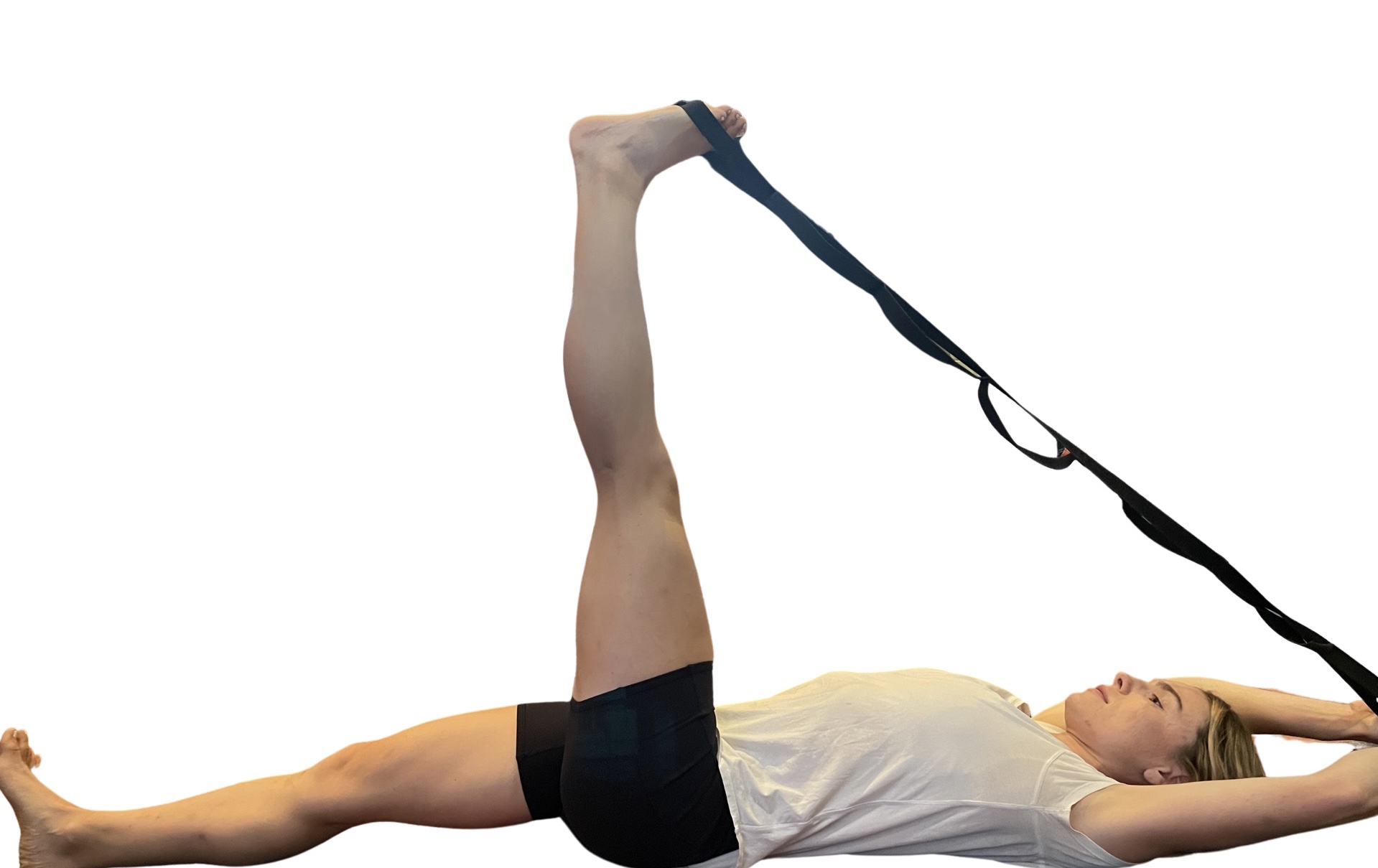
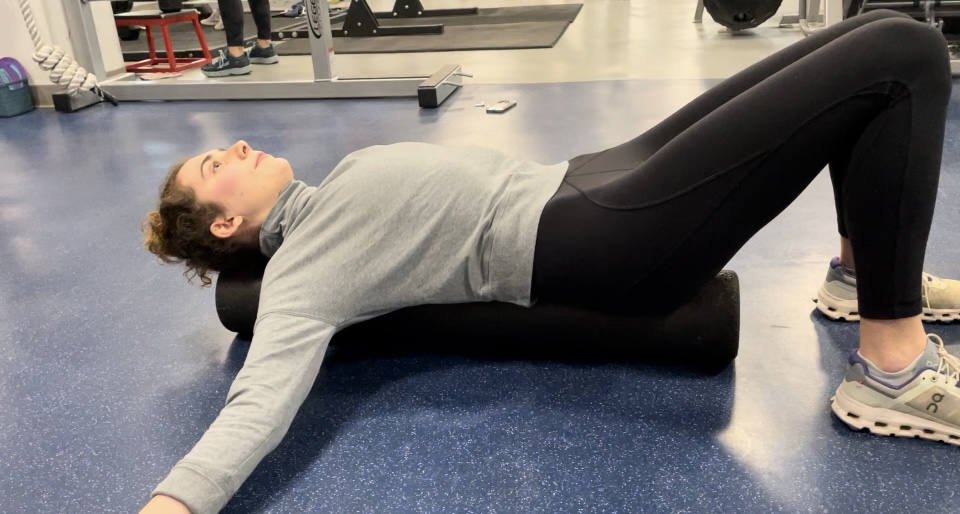
Recovery also matters. Active recovery exercises, like stretching, foam rolling, and easy spinning  help you recover with less soreness. Sleep and fueling play a role as well; poor sleep and under-fueling increase perceived effort and make workouts easier to skip. Regular meals, adequate carbohydrates, and hydration—especially in cold environments—support energy and training quality.

The holiday season is also a time for gratitude. Being able to train and ski through winter reflects robust bodies worth taking care of. You don’t need long workouts—just consistency. Aim for two short strength sessions each week. Keep intensity up and volume manageable. Fuel regularly, hydrate, and protect your sleep when you can. Do the basics well. Small, steady efforts now preserve performance and help you move through the rest of the season feeling strong and resilient on snow.

Connie Aronson is an Exercise Physiologist and Corrective Exercise Specialist ( TMMB-CES ) Visit her at the Y, www.conniearonson.com , and Instagram @Josie_the golden 

Fitness Guru: The posture shift that changes everything

-Checking vertical alignment between cheekbone and collarbone.

  • Photos courtesy of Connie Aronson

Example of forward head position-note the misalignment

It’s to your advantage to have your head perched directly above your spine—not just for good alignment, but for how you feel and move throughout the day. A head in optimal alignment with the neck can reduce tension, improve your body image and even change the way you carry yourself.

Try this: Imagine your head as a helium balloon floating gently upward. Your neck and spine are the string, soft and flexible like wool. This simple mental image can instantly relax your shoulders, lengthen your neck and help you stand taller—without effort or strain.

Now, consider the weight of that “balloon.” The human head weighs anywhere from 9 to 12 pounds. When it’s aligned over the spine, your body carries that weight with ease. But for every inch the head shifts forward, the effective load on your neck doubles. That forward head posture—common with screen time and stress—can wreak havoc on your neck, shoulders and overall alignment.

Here’s a quick way to check your head position:

The forward head scan

1. Sit near the edge of a chair.

2. Place one index finger on the part of your cheekbone that sticks out just below the eye.

3. Place your other index finger directly below it on your collarbone.

4. Look in a mirror or ask someone to check: Are the two fingers vertically aligned?

If the finger on your cheekbone is ahead of the one on your collarbone, your head is likely too far forward for optimal alignment.

Awareness is the first step. Use both the visual imagery of the floating balloon and this hands-on check throughout the day to gently guide your head back to center. When your head is naturally balanced at the top of your spine, your whole body follows.

A small shift at the top can create big changes in how you feel, move and carry yourself—no equipment required.

Connie Aronson is an exercise physiologist and Corrective Exercise Specialist ( TBBM-CES ) Visit her and her Golden, Josie on Instagram @Josie_thegolden and www.conniearonson.com

Published in The Idaho Mountain Express October 24, 2025

https://www.mtexpress.com/wood_river_journal/features/fitness-guru-the-posture-shift-that-changes-everything/article_f3cc9071-4dd9-4b09-91fb-2953c180bb88.html