5 essential exercises you need

Featured

Daily habits can be powerful. Routine anchors us and builds resilience and health. Adding a routine or mini-structure to your day so that fewer decisions need to be made is one way to succeed. When it comes to your health, preventing injuries in any activity you enjoy is crucial. Here are five injury-preventing exercises to put on your habit list that don’t take up too much time. Whether you are a seasoned athlete, or simply just enjoy being active but don’t want to get hurt, incorporate these moves into your day.

Activate the core: Heel on toe crunch
A woman is stretching on the floor with another person.

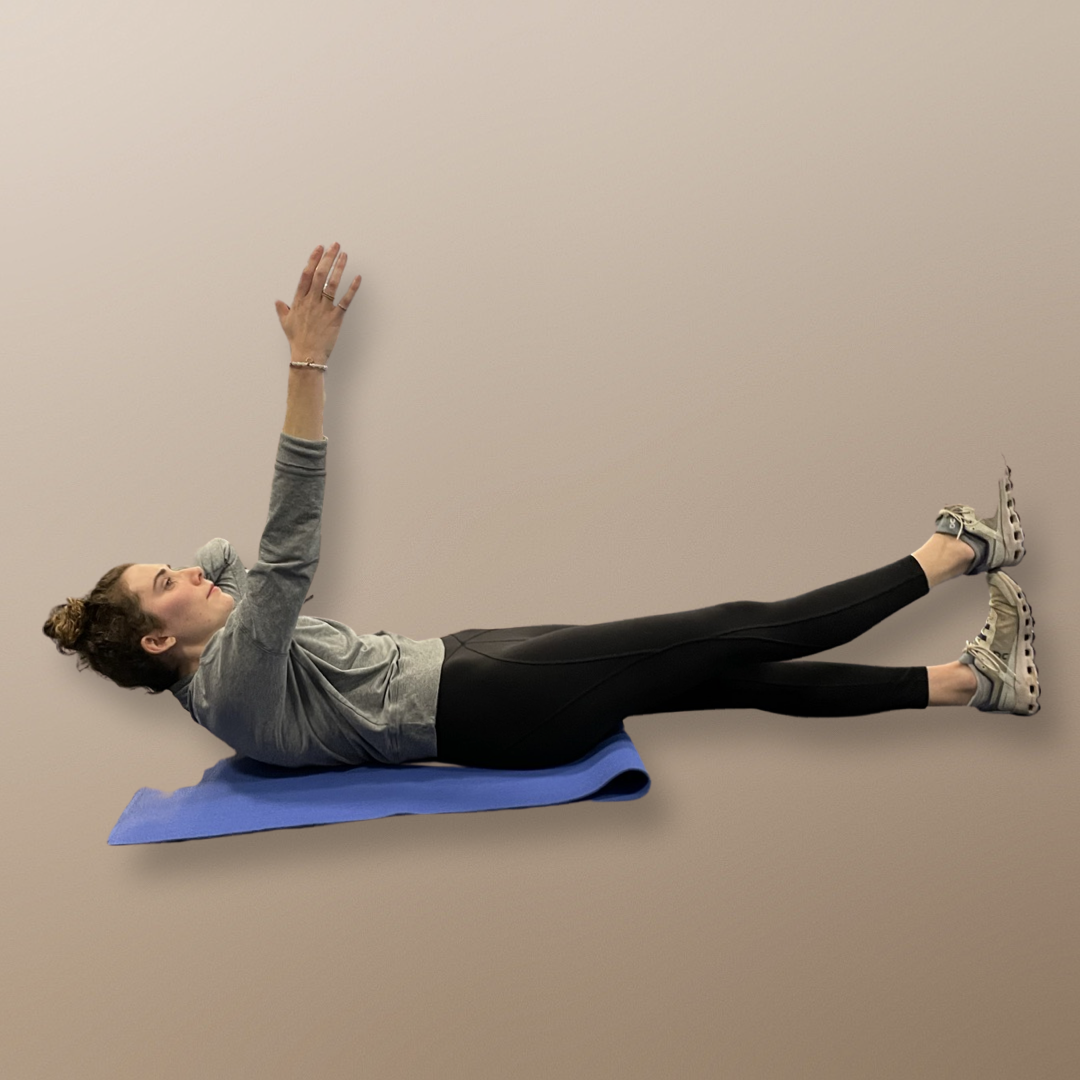
A demonstration of the heel-on-toe crunch. Photo courtesy of Connie Aronson

The core muscles help stabilize the spine and support movement. The following two core exercises have minimal movement, and are far more effective than a standard sit-up. The heel-on-toe crunch spares the back, while building muscular fitness. You begin the crunch by stiffening the abdominal muscles and slightly raising the head and shoulders off the ground. Count to 10, then lower back down to the starting position. To a viewer it might not look like you’re doing much of anything, says Stuart McGill, but with proper technique, you should feel like you’re working.

  • Begin with your legs straight, left heel on top of right foot.
  • Bring your left hand behind your head for support, and lift your right arm straight up from your shoulder.
  • Curl up, raising your head, neck and shoulder blades off mat, tightening your abdominals.
  • Slowly return to the start position. 10 reps. Switch sides.

Side lying hip lift
A woman is stretching on the floor with another person.


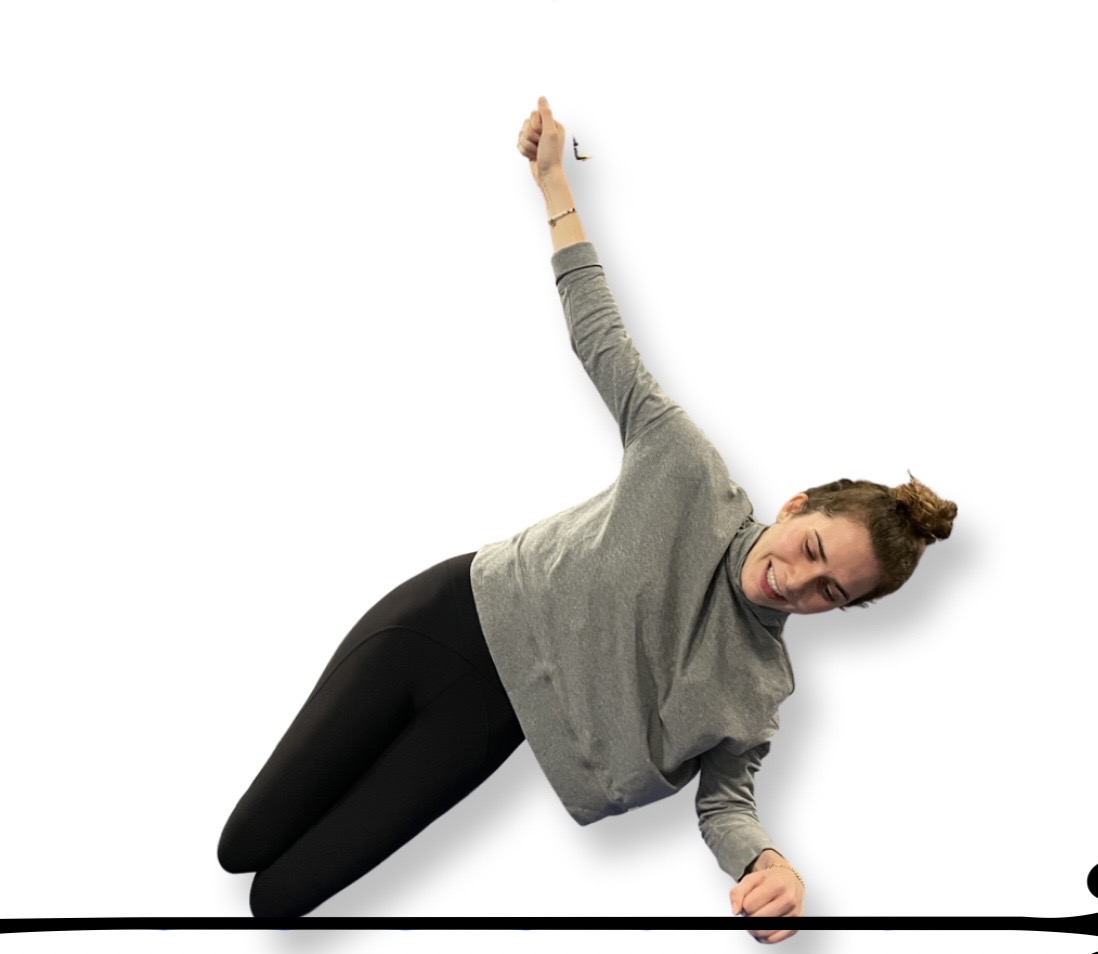
A demonstration of the side-lying hip lift. Photo courtesy of Connie Aronson

  • Lying on your right side with your knees bent (or straight for advanced variation), place your right elbow under your right shoulder. Push your shoulder away from your ear to engage the shoulder girdle.
  • Avoid letting your rib cage slump toward floor; maintain natural curve of spine.
  • Exhale and lift your right hip off floor. Hold for 10 counts.
  • Slowly lower to start. 6-8 reps. Switch sides.

Stretch tight hamstrings
A woman is stretching on the floor with another person.


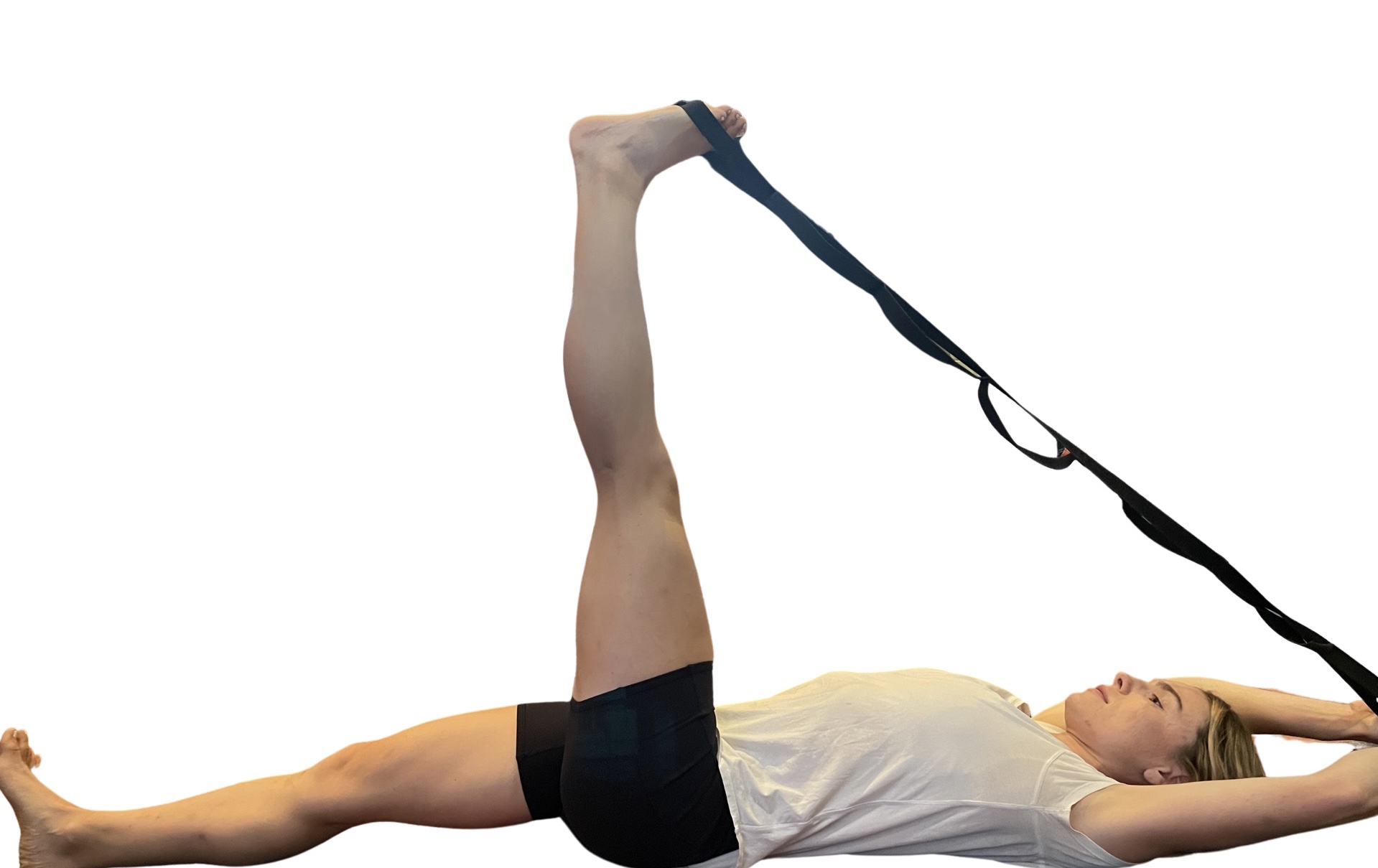
A demonstration of a hamstring stretch using a yoga strap.

Tightness in the back of your legs may be a sign of instability in your core, causing the leg muscles to overwork and shorten. As well, hamstrings are an important muscle to stretch if you have back pain, as they attach to the pelvis, which attaches to the back. An excellent stretch to ease the tension in the back of your legs is the hamstring stretch using a strap.

  • Lie on your back and place a yoga strap or rope under one foot, with the other leg straight, on the floor, heel flexed.
  • Slowly extend the leg toward straight.
  • If it is too difficult to completely straighten the leg, bend the opposite leg.

Foam roller alignment
A woman is stretching on the floor with another person.
Screenshot

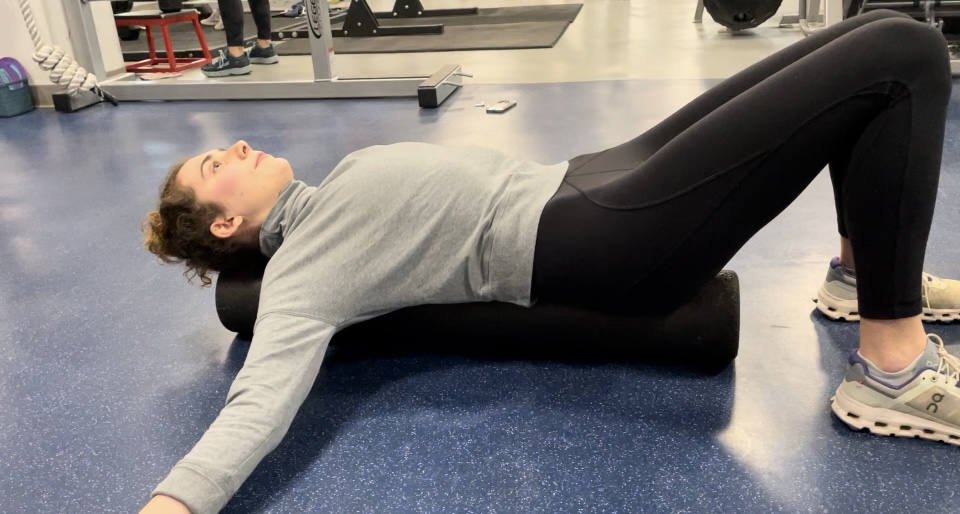
Lying lengthwise on a foam roller not only feels good but encourages good spinal length. We’re all guilty of bending forward while scrolling on our phones, resulting in a “forward head.†For every inch that your head is forward there’s 10 more pounds of pressure on the neck. Reset your alignment every day by lying on a foam roller. Lengthening the lumbar erector spinal muscles helps encourage neutral alignment and good posture.

  • With your knees bent, lie on a roller, head supported and neck in a neutral position.
  • Tighten the abdominals.
  • Gently roll side to side for 20-30 seconds.

The sock test
A woman is stretching on the floor with another person.
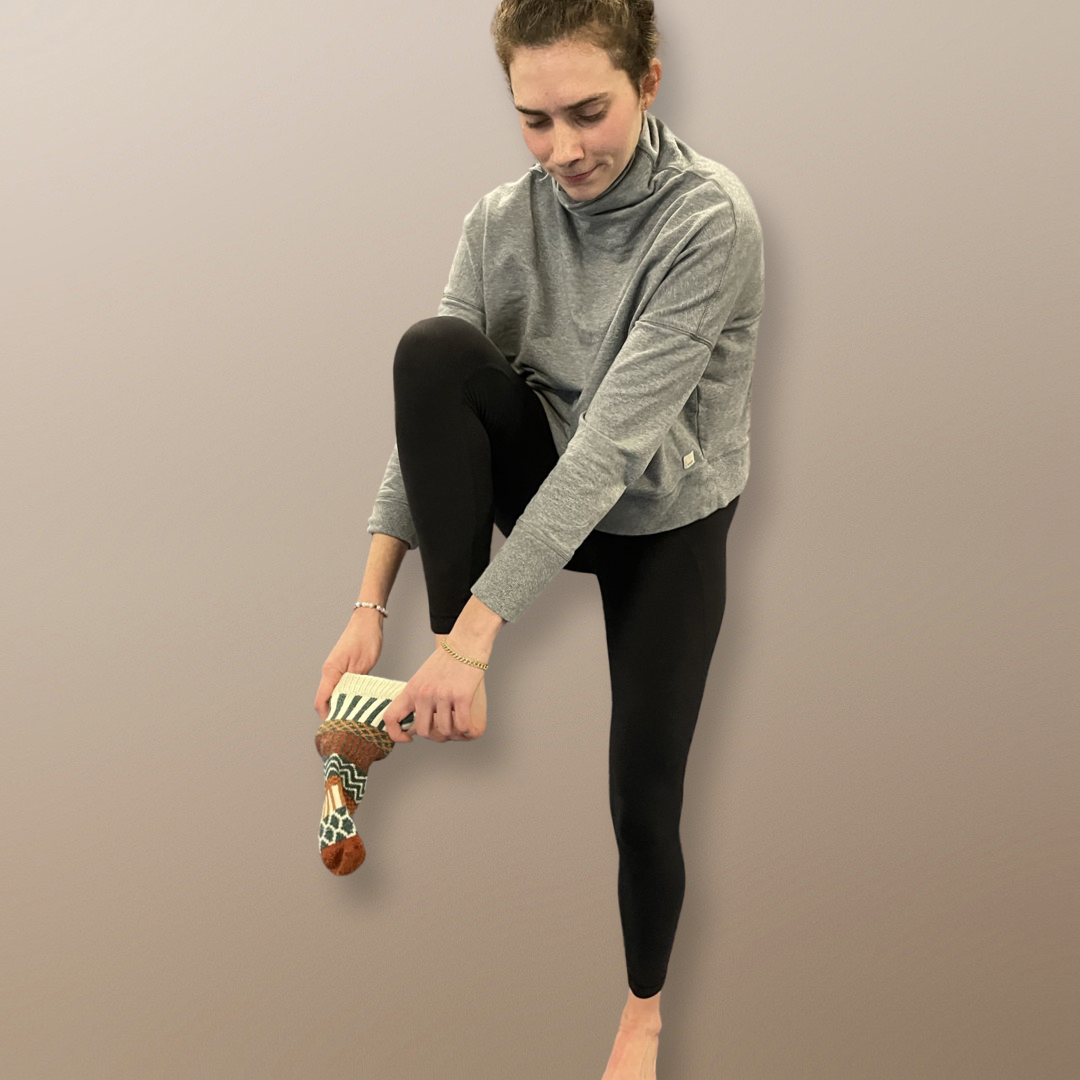
A demonstration of the one-legged sock test.Photo courtesy of Connie Aronson

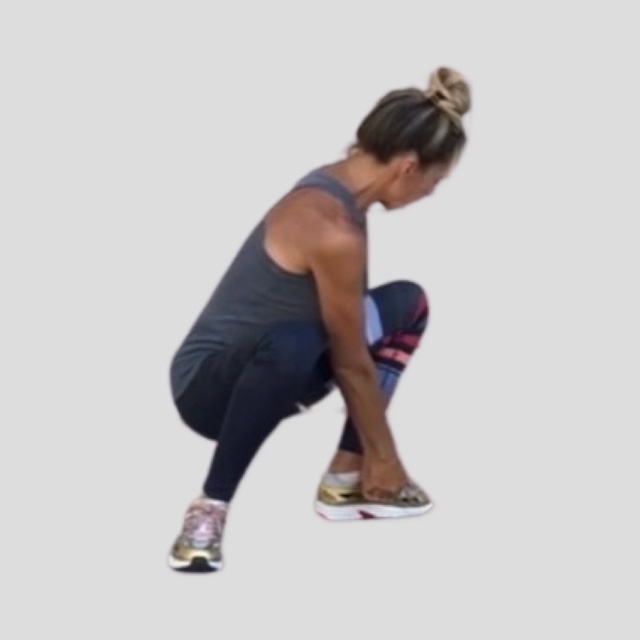
Losing your balance as you get older is no joke. Research has shown that the ability to stand on one foot drastically decreases after the age of 60, along with a rapid increase of falls and injury. The ability to stand on one leg is imperative for gait and function.

The sock test takes the exercise a step further. Practicing it is a fun challenge to build strength capacity and balance.

  • Holding a sock, stand on one leg, knee slightly bent.
  • Bring your right leg up toward you as you put your sock on
  • Lower the leg to the floor and repeat with your left foot.
https://www.mtexpress.com/wood_river_journal/features/5-essential-exercises-you-need/article_ddf5020a-75dc-11ef-b697-a329b921bf01.html#tncms-source=article-nav-next

Why you need inner leg work

A woman is stretching on the floor with another person.

All movement at the hip joint involves powerful muscles in the thighs. The hips are a ball and socket joint that allow us to flex and extend our legs in the forward swing of walking. Most of us train the quads, the most powerful of the thigh muscles, and the massive hamstrings muscles of the back of the thigh But the muscles of the inner thigh, the hip adductors, are often overlooked in training, or at best, managed at a machine like the Thigh Master or Pilates Ring. To develop strong muscles that function well, the adductors need exercises that are even better than ones done on a machine. That means performing exercises that lengthen the muscle, in the way that happens when lunging or with side-to-side moves.

The longest muscle in the human body runs across the front thigh and crosses both hip and knee joints. This long, slim muscle is called the sartorius. It originates in the upper leg at the iliac spine, and wraps like a sash across the front of the thigh, attaching below the knee. The name originates from the Latin word sartor, meaning tailor, and is often referred to as the way in which early tailor’s sat. If you sit in a cross-legged position, it’s easy to see or feel the muscle. If the muscle is tight, you probably are unable to lateral rotate the thigh properly to sit comfortably cross-legged. Though not part of the inner thigh group, it flexes and outwardly rotates the leg and flexes the knee.

Just inside the sartorius is a group of inner thigh, or adductor muscles. These muscles all work together to bring the hip and leg towards the midline, outwardly rotate the leg and also help to flex the hip and leg. The adductors also play an important role in preventing a tendency towards being knock-knee.

Inner thigh anatomy

The adductor group includes a small flat muscle called pectineus, the important adductor magnus , adductor brevis and longus, and the gracilis that crosses the knee joint and attaches just below the knee. Straining or overstretching this muscle group is called a “pulled groinâ€.

To avoid straining the adductors, here is a great daily hip adductor stretch.

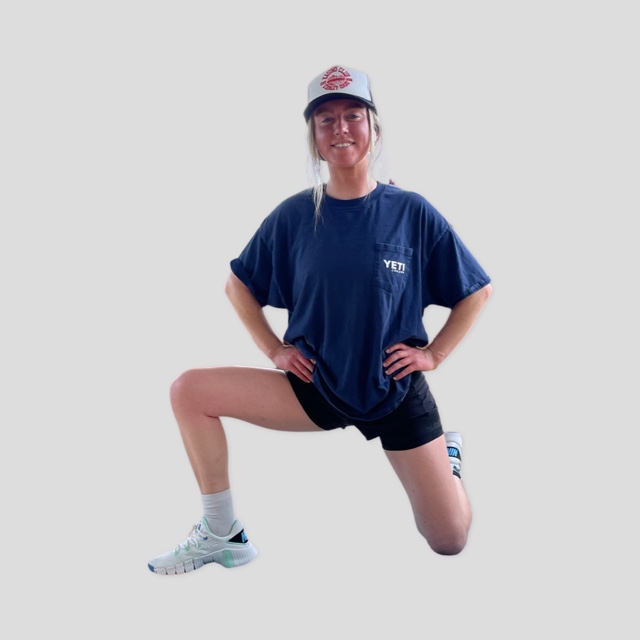
Kneeling Side Lunge stretch

A woman is stretching on the floor with another person.

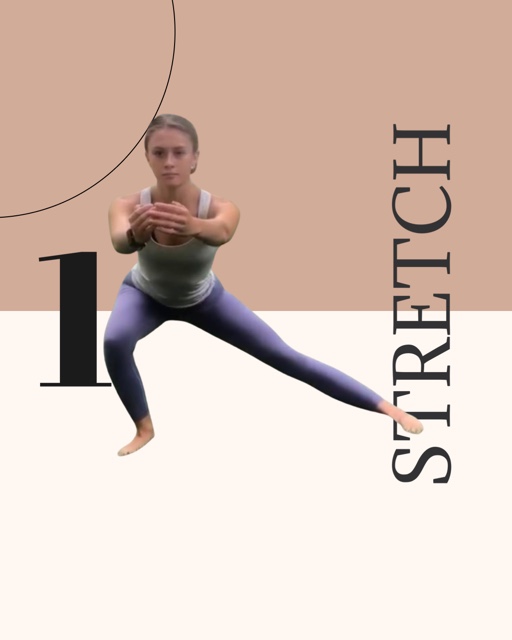
Kneel on the floor with one hip externally rotated so that the foot is pointed toward the side. Lean your body weight toward the supporting foot.

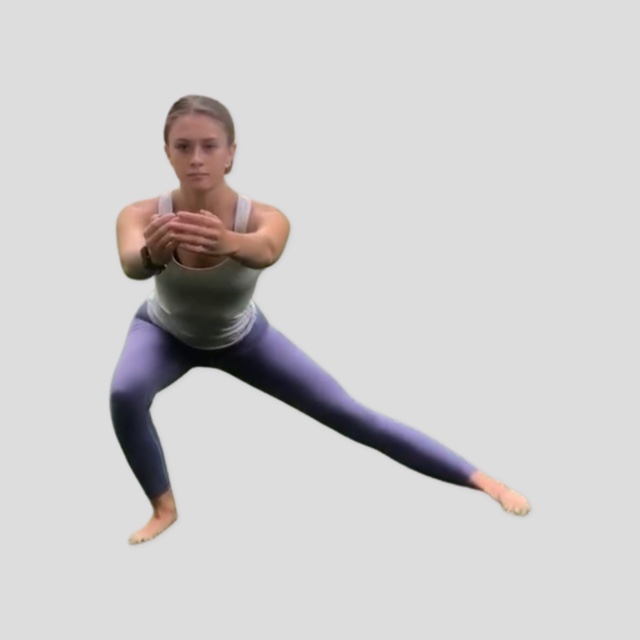
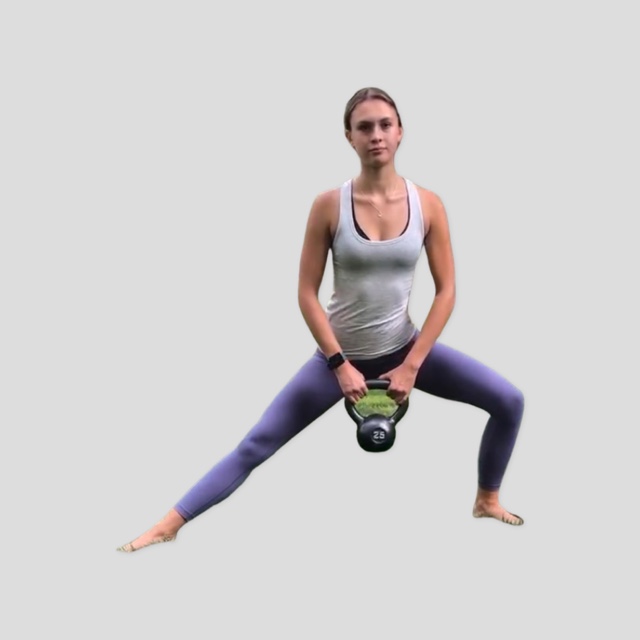
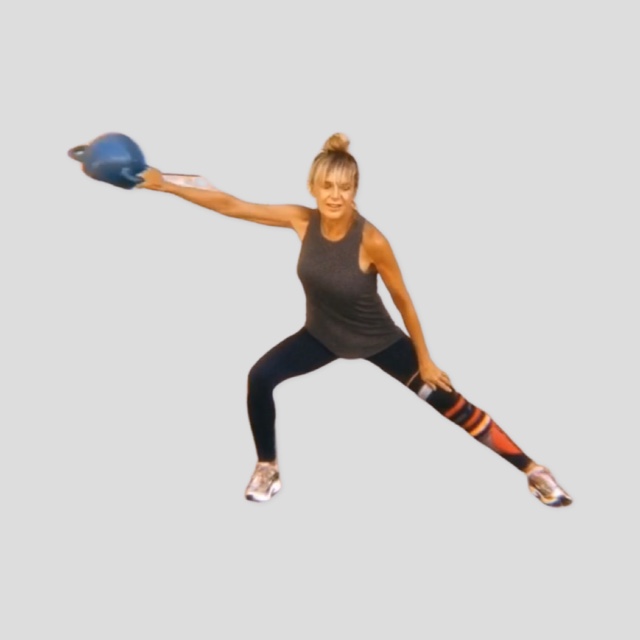
Here are 5 examples and variations of lunges and squats that strengthen the adductors:

Side-to-side lunge

A woman is stretching on the floor with another person.
Side-to-side lunge

Side lunge with weight

A woman is stretching on the floor with another person.
Side lunge with weight

Side lunge with arm swing

A woman is stretching on the floor with another person.
Side Lunge with arm swing

Four o’clock sumo lunge

A woman is stretching on the floor with another person.
4 -o’clock sumo lunge

Stand at 12 o’clock, with or without a weight.

Rotate into a sumo squat at Four o’clock. Keep both knees directly over second toes in your landing squat.

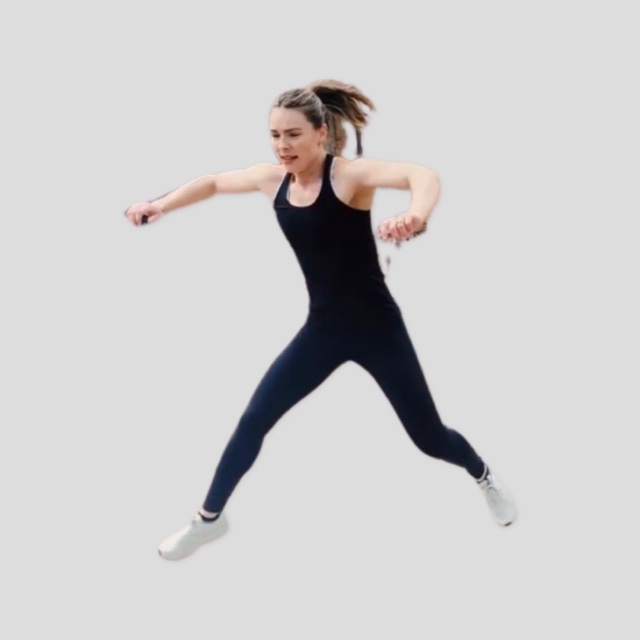
Skater bounds

A woman is stretching on the floor with another person.
Skater bounds

https://www.mtexpress.com/wood_river_journal/features/fitness-guru-why-you-need-inner-leg-work/article_146723f0-c8db-11ed-b14d-7feb425581b3.html

How weight-lifting can keep you young


A woman is stretching on the floor with another person.

One of the secrets to a longer life involves steel, rubber or your bodyweight.

One of the secrets to a longer life involves steel, rubber or your bodyweight. The steel is in the form of dumbbells or barbells, and rubber is what resistance bands or stability balls are made of. No equipment handy? No worries, because exercises such as pushups, squats, planks and lunges, exercises that you can do anywhere, all build muscle.

    New research all points toward strength training as a key factor in longevity and an extended life, and you need to lift or push weight to build muscle. Biking, running, walking and moving more are all important for cardiovascular health, but if you’re not hitting the weights, now is a good time to start a program. Strength training, or resistance training, is the use of progressive resistance exercises to increase your ability to exert or resist force.

    Starting as young as 7, when the nervous system is almost completely mature, strength training can lay down a lifelong regime that promotes increased bone density and muscle mass and decreased age-related body fat. By our early 40s, most adults achieve peak muscle mass, but after that point, a gradual decline begins. People typically lose 8 percent or more of lean muscle each decade, a process that accelerates significantly after age 70. However, the good news is that you can become stronger at any age. But can lifting weights keep you young?

There is a clear connection between strength training and a longer life, says Dr. Jennifer Kraschnewski, an assistant professor of medicine and public health sciences at Penn State College of Medicine. A recent study she led found that seniors who did strength training two times a week were 46 percent less likely to die from any cause. They were 41 percent less likely to die from heart disease and 19 percent less likely to die from cancer. The research was published in the journal Preventive Medicine. No one is immune from any unwanted condition, but consider this: If you suffer from obesity, diabetes, heart disease or arthritis, the decrease in strength is significant. What this means is that even if you think your muscle mass is adequate, if you have any of these underlying medical conditions, your strength is much less than someone without them, says Judith Wurtman, Ph.D., founder of a Harvard University hospital weight-loss facility. Adding resistance training also improves insulin sensitivity, improves cholesterol numbers and revs up your metabolic rate—more reasons to take action.

    I’ve worked with many older clients who say their balance is terrible, but it’s more that their legs are weak. On average, we have a genetically determined amount of both slow-twitch and fast-twitch muscle fibers in muscle. As we age, our fast-twitch muscles shrink in size and number, as does the speed of transmission of impulses from the brain to the working muscles. Are your legs really as strong as you think? Consider this: Decreased leg strength, not dementia, is the biggest predictor of loss of independence in older adults.

    For beginners, the most important aspect of strength training is to find a program you can do consistently. Essentially, aim to use eight to 10 large muscle group exercises, perhaps starting with the legs. Go slow and perform the exercises with good form. For trained individuals, new studies suggest that for both men and women, if you want to get stronger, exercise with heavier loads. Keep your program progressive and varied, and don’t keep it a secret that you’re getting younger every day.

Published in the Idaho Mountain Express 2/10/2017

Meal Timing, Protein and Conditioning


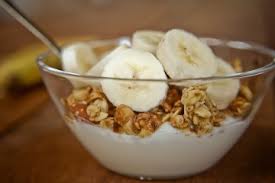
A bowl of cereal with bananas and nuts.

If you compete or enjoy working out, eating right helps you train harder, delays the onset of muscle fatigue, and aids in recovery from a workout.

If you compete or simply enjoy working out, eating right helps you train harder, delays the onset of muscle fatigue and aids in recovering from a workout. Eating proper foods doesn’t have to be complicated or rigid, and certainly no one approach fits everyone. Your body needs carbohydrates, protein, fat, minerals and fluid to fuel it for exercise. Eating right helps your body adapt to workouts, improves body composition and strength, enhances concentration, helps maintain a healthy immune system and reduces the chance of injury. The timing of meals and snacks is equally important. At a recent American College of Sports Medicine meeting, Nanna Meyer, Ph.D., and dietician at the University of Colorado and United States Olympic Committee at Colorado Springs, told an audience, “Don’t bother lifting if you haven’t eaten breakfast.” Current research recommends Greek yogurt with some fruit and nuts, oatmeal cooked with milk, cereals or a carbohydrate sports bar pre-exercise, with an emphasis on protein, like yogurt, chocolate milk, recovery mix or a bar containing some protein as soon as possible after training.

Are you getting enough protein?

Recently, research has demonstrated that having some protein before and immediately post-workout results in greater strength gains and muscle repair. Nancy Rodriguez, Ph.D., R.D., director of sports nutrition programs at the University of Connecticut, notes that increased protein, greater than the dietary allowance but within the recommended range, helps reduce body fat, maintains muscle mass and increases satiety—all positive weight management outcomes. Post-workout, research suggests about 15-25 grams of protein, found in milk (eight grams of protein per cup), Greek yogurt (15-20 grams of protein per cup) or a carbohydrate/protein mix, for example.

We also snack a lot less if we get enough protein. According to Dr. Alison Gosby, in the online journal PLoSONE, “Humans have a particularly strong appetite for protein, and when the proportion of protein in the diet is low, this appetite can drive excess energy intake. Our findings have considerable implications for bodyweight management in the current nutritional environment, where foods rich in fat and carbohydrate are cheap, palatable and available to an extent unprecedented in our history.”

It’s always a good idea to talk to a registered dietician for your specific needs. For example, the Soya Granules by Fearn is recommended for those who are lactose-intolerant. Remember also that 15 minutes to an hour after a hard workout lasting more than an hour, nutrient-rich snacks help replace carbohydrates, sodium and potassium. Less time than that, if you’re watching your weight, water is a good choice. Whether you’re training hard, or just enjoy being active, make good food choices for optimal energy and improved performance.

Connie Aronson is an American College of Sports Medicine Health & Fitness specialist at the YMCA in Ketchum.