Mountain Flow:Why Outdoor Yoga in the Summer Offers a Reset

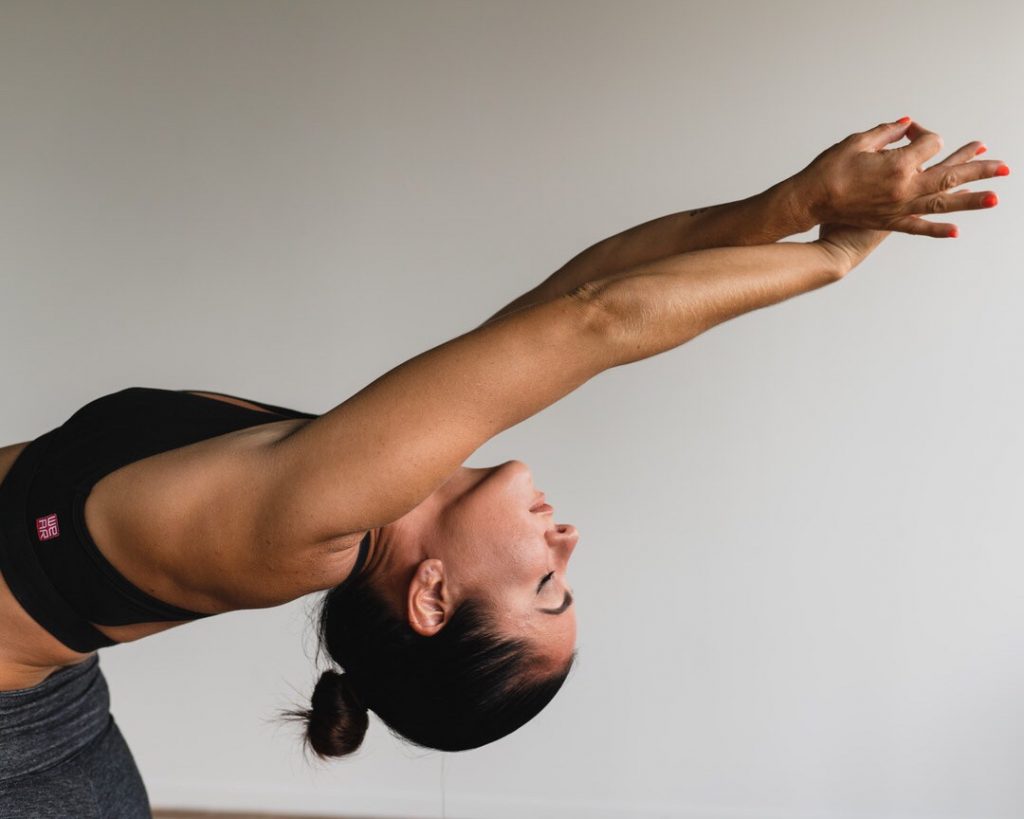
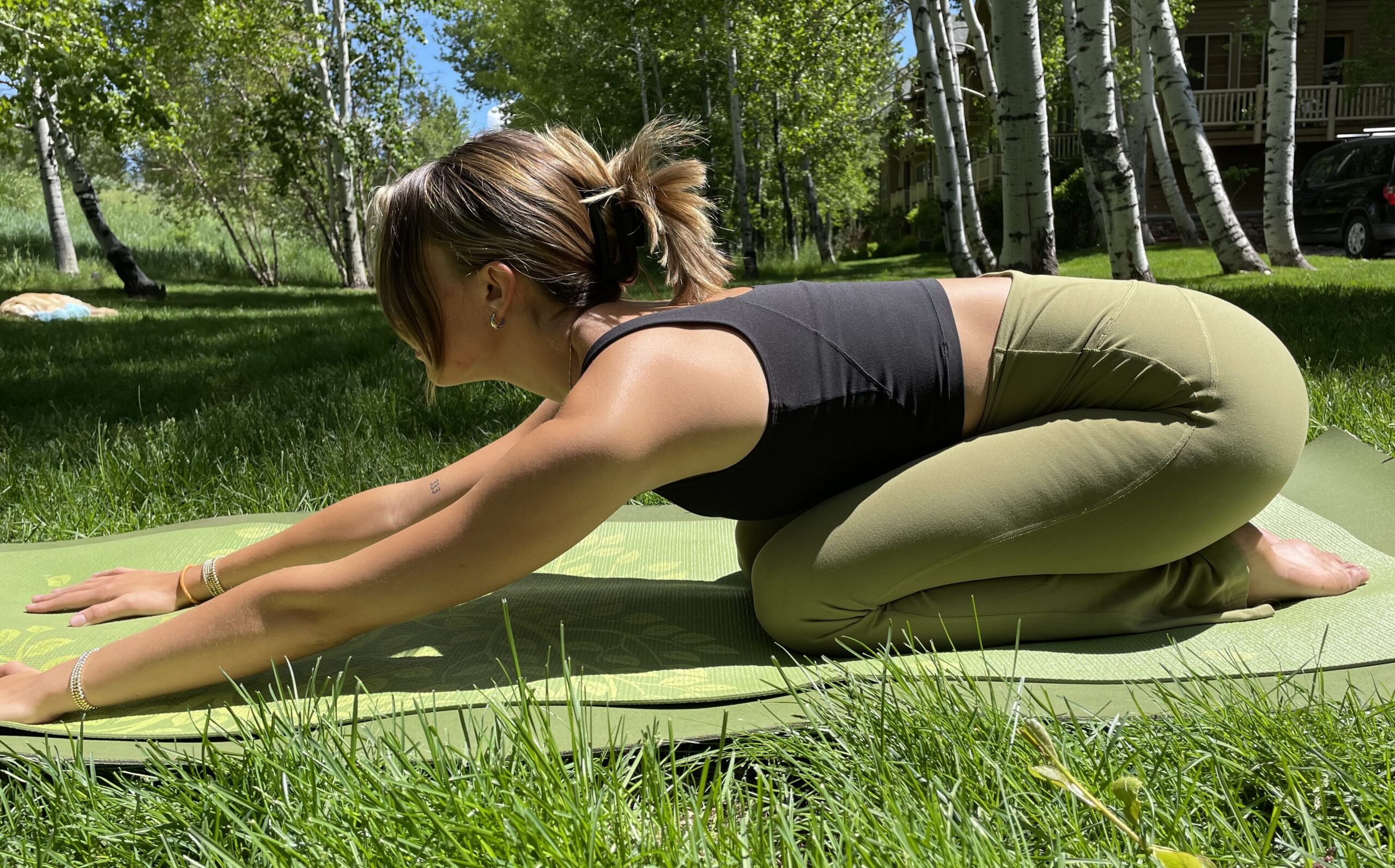
As summer takes hold in our mountain town, it’s the perfect time to bring your yoga practice outside. Whether you’re stretching in your backyard, on the porch, or in a quiet clearing, being in nature shifts how your body and mind respond. The aspen-filtered light, open air, and uneven ground offer something the studio can’t: a reset.

Here’s why practicing yoga outdoors—especially in the mountains—offers something new:

1. Fresh Air, Clear Mind
The crisp mountain air is the perfect backdrop for a yoga practice. Every breath you take fills your body with oxygen, and boosts energy. Whether you’re starting your day with a slow flow or unwinding with a sitting meditation, the natural environment around you amplifies the calming benefits of breathwork. The power of the outdoors isn’t just in what you can see—it’s in how you feel when you’re breathing deeply in a natural, open space.

2. Ground Your Practice, Strengthen Your Body
The real benefit of practicing yoga outdoors comes from the terrain. Grass, or irregular terrain naturally challenge your balance. Unlike a studio floor, uneven ground prompts your body to engage stabilizing muscles.

For example, in standing poses, yoga teaches you to spread your toes and distribute your weight evenly between the ball of each foot and the heels. Your feet contain 26 bones, 33 joints, and over 100 muscles, tendons, and ligaments. Standing on uneven ground activates small muscles in your feet, ankles, and core, strengthening your lower body, improving your balance, and enhancing proprioception (your body’s awareness of its position in space). This makes every posture feel more engaged and adds depth to your practice.

3. Posture, Flexibility, and Stress Relief
Yoga improves posture, flexibility, and overall strength, and doing it outdoors heightens those benefits. Without mirrors or studio distractions, you rely on your body’s natural feedback to guide your alignment. From standing tall in Tadasana to stretching in Downward Dog under the open sky, practicing in nature encourages a deeper connection to your body.

The benefits go beyond the physical, too. Yoga incorporates diaphragmatic breathing, relaxation, and imagery techniques—all effective tools for managing stress. Studies show that simple stretching and breathing exercises can reduce anxiety and promote emotional well-being, making outdoor yoga a great tool for mental and emotional health.

4. Focus on How You Feel, Not How You Look
In mountain towns, there’s often a strong focus on fitness, and performance.  But yoga offers a different kind of opportunity—it’s not about pushing your limits or hitting new milestones. It’s about tuning in to your body. Outdoors, without mirrors or the usual pressures, you can focus less on how things look and more on how they feel. Nature reminds us that it’s okay to simply be present.

5. The Mountains as Your Sanctuary
Practicing yoga outside is a grounding experience, both physically and mentally.  The fresh air, open space, and connection to nature create an atmosphere that encourages stillness, focus, and reflection.

This summer, take your mat outdoors. Whether it’s by the river, or just in your backyard, the mountains can be the perfect backdrop for your practice. Let the natural world offer you the quiet and space needed for a reset.

Published in The Idaho Mountain Express, August 1, 2025.

https://www.mtexpress.com/wood_river_journal/features/mountain-flow-why-outdoor-yoga-in-the-summer-offers-something-new/article_b791f3b7-bd9a-483a-965c-f34e5d6951c6.html

How to not feel older when you’re stressed

A woman is stretching on the floor with another person.

When we’re in a stressful situation, it’s not always easy to take a deep breath and calm down. Stress makes all of us look and feel older, teens and those in their 20s and 30s included. A new study finds that younger adults look and feel older on stressful days, when they feel they have less control over their lives.

Stress is a psychological and physiological response to situations we find to be overwhelming. It’s associated with a host of negative outcomes. However, up until now, there has been little research on the amount of stress younger adults are experiencing compared to what previous generations experienced when they were young, says Shevaun Newport, professor of psychology at North Carolina State University.

Accumulative stress over time can have adverse effects. People are feeling increasing levels of stress as they move from young adulthood to midlife—their 40s and 50s—Newport says. If young people are already experiencing high levels of stress for their age, and that stress is affecting how old they feel, it is important for us to address stress-related physical health and mental health for this generation, he says.

So how can we deal with stressful days? Communication coach Tatiana Kolovou suggests not turning against ourselves by self-bashing. Lines such as “What were you thinking?†or “This was a huge mistake†are self-sabotaging and negative. Think of something encouraging instead, she advises. When we have bumps along our road, we need to remember that we can do hard things. We can reframe our self-talk and build resilience. Instead of saying, “I have to do hard things,†for example, we could choose to say “I get to do hard things.â€

Even small shifts in the language we use to refer to ourselves can be helpful. A research review in the Journal of Personality and Social Psychology showed that first person self-talk (“I can do this“) helps to positively influence our ability to manage our thoughts and emotions under stress.

You can manage a stressful situation by taking a deep breath. Deep breathing is a great way to reduce the activation of your nervous system. (Take a deep breath in for a few seconds, hold it and slowly release it.) Learning and applying this skill can help activate your parasympathetic nervous system to rest, which helps the anxiety you may be feeling.

We all have crummy days, and strengthening our personal skills and resilience is key. Exercise is a great stress reliever. And taking care of yourself with proper nutrition is imperative, not only to help your whole body feel better, but your mind as well. Make a commitment to trying any of these strategies for good days ahead.

4 stretches to stay ahead of aging

Featured

We all want to enjoy a healthy work-life balance and have more energy throughout the day. Regardless of your age, the habits of daily living become more important, whether you are in your 40s or 60s. The body, however, has an agenda of its own, and presents unforeseen challenges. You start to notice signs of arthritis; joint stiffness first thing in the morning, knee buckling, or clicking or popping sounds in your joints.

Osteoarthritis is the most common form of arthritis; it often emerges slowly and affects everyone differently. Stiffness for a short period of time after a long road trip, too much sitting, or limited reach are indicators of the condition. Women are more likely to develop it, and there is a genetic component to the disease. Osteoporosis used to be thought of as simple wear and tear of tissue. The Arthritis Foundation opines that it is now known as a degenerative disease of the entire joint, including bone, cartilage, ligaments, and the synovial fluid that lubricates the joint.

Though it is more common in individuals over 50, much younger people can also develop osteoarthritis (OA), usually the result of a joint injury, like a torn ACL, cartilage or bone fracture. After such an injury, it can develop within just a few years. Other factors that can contribute to osteoarthritis are overuse, using the same joint over and over in a sport or job, or excess weight. But the good news is that osteoarthritis isn’t a normal process of aging, and some people never even develop it. If you are willing to include daily habits, like getting plenty of exercise, and stretching, you can stay ahead of arthritis and pain.

There is no cure for osteoarthritis, and anti-inflammatory and pain medications can help manage pain. A nondrug therapy, like moving and regular exercise is an imperative part of your treatment plan.

One of the best ways to manage OA is through moving more and regular stretching. Stretching not only feels good, but it will help increase limited range of motion. Here are four essential stretches to energize the entire body and increase your mobility, no matter your age.

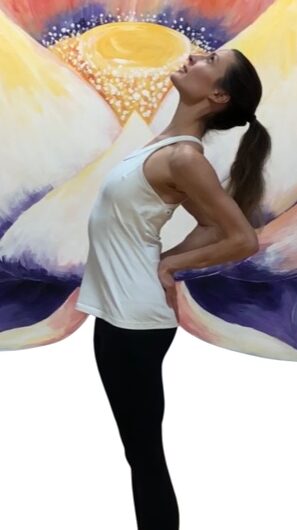
Spine Extension

A woman is stretching on the floor with another person.

Spine Extension

Photo courtesy Connie Aronson

• Place your hands firmly on your lower back, fingers pointed downward.

• Gently arch the upper back by lifting your ribs. 8 repetitions

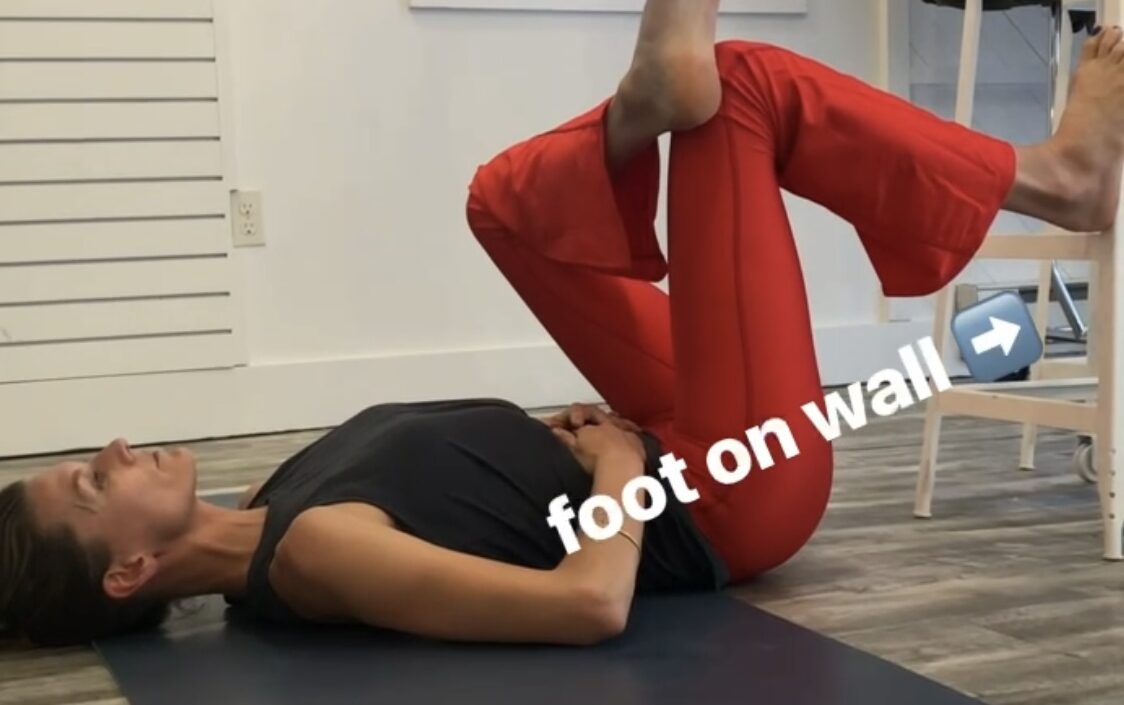
Figure 4 Stretch on wall

A woman is stretching on the floor with another person.

Figure 4 Stretch on wall.

Photo courtesy Connie Aronson

Benefits: Releases tension in the hips and groin

• Place one foot on a wall, head resting on the floor or a pillow

• Cross one ankle over the opposite leg

• Feel the stretch in your outer hip and inner thigh

• Hold for 1 minute each side

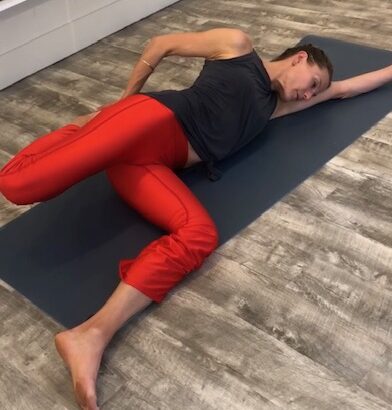
Side-lying quad stretch

A woman is stretching on the floor with another person.

Side-lying quad stretch.

Photo Courtesy Connie Aronson

Benefits: Stretches the hip flexors and quadriceps

• Start on your side

• Using your hand or a strap, pull your heel up toward the buttocks

• As you bring the knee back, gently rotate the pelvis under

• Hold for 1 minute each side

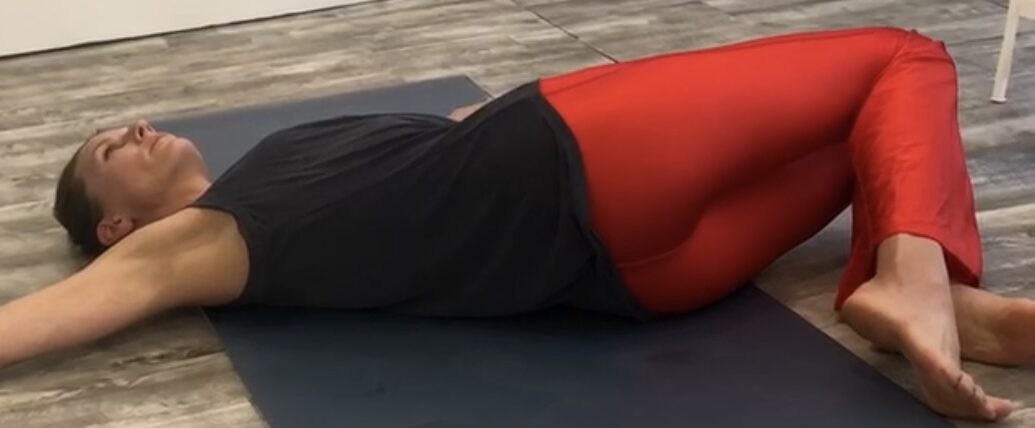
Reclining Twist

A woman is stretching on the floor with another person.

Reclining Twist

Photo courtesy Connie Aronson

Benefits: Stretches, rotates and relieves tension around the belly, chest, shoulders, hips and spine.

• Start on your back with your legs bent, feet together

• Bring the knees towards your chest. Flatten your sacrum, and lower back, and settle the shoulder blades under so your back is comfortable

• As you exhale, take your legs to the right

• Let them descend toward the floor

• Experiment with moving the knee closer to your head, or your feet, or turn your head to gaze toward the left hand.

• Repeat on the other side. 3-4 repetitions

https://www.mtexpress.com/wood_river_journal/features/fitness-guru-4-stretches-to-stay-ahead-of-aging/article_9c5617ba-f4e8-11ed-ba58-a351f6d58462.html

The magic of muscle and bone mass and brain health

A woman is stretching on the floor with another person.
Lifting weights is key to retaining lean muscle mass and keeping your weight down.
Photo-Metro Creative Connection

Hands down, the biggest reason people hire a personal trainer is that they want to be stronger and healthier. To achieve that goal, throughout a lifetime, it is essential that we maintain a vigorous level of physical activity to not only age well and be healthy, but also to keep our bones strong.

Lifting weights, or resistance training, is the key to retaining lean muscle mass and keeping your weight down. Around the time you turn 30, you start to lose as much as 3% to 5% of muscle mass per decade. The rate of decline of an inactive 80-year-old could be as much as 30%.

In fact, the American College of Sports Medicine and the U.S. Department of Health and Human Services recommend two or more days per week of moderate-to high-intensity resistance training, using all major muscle groups. Use it or lose is correct, as keeping your muscles strong and flexible after 30 prevents scarpenia, a condition characterized by loss of skeletal muscle mass and function. Scarpenia is a natural part of aging, but muscle loss is largely accelerated by inactivity. For many, as we get older, we tend to move less.

The ACSM’s Physical Activity & Bone Health position stand is a recommendation that adults maintain a relatively high level of weight-bearing physical activity, with no upper age limit. Activities like plyometrics—jumping jacks, for example—and high-intensity resistance training are beneficial ways to increase bone mass, as well as to preserve skeletal integrity and improving balance to prevent falls. Kids that are involved in gymnastics and sports that involve jumping, like soccer and basketball, have a great strength advantage in later life, as their bone mass is maintained into adulthood, the report notes.

The main concept of resistance training is to produce changes that result in various strength adaptations. The 80-year-old mentioned? One set of arm curls, to overload his or her biceps, can result in strength gains in the arm muscles lasting as long as a month! While my job as a trainer is to set up great programs for individuals, consider ways you can start to train, if you haven’t already, with a simple home setup, including weights, elastic bands, medicine balls, or a TRX.

Remember when?

There is good reason to stick with your routine. Physical activity is a powerful intervention to reduce anxiety and depression during a pandemic. Those of us who stayed or became active during pandemic lockdowns were less likely to experience subjective memory decline. A recent study in Preventative Medicine looked at the effect of physical activity on subjective memory decline before and during social distancing. One in three participants experienced feelings of memory decline when socially distanced, however the active participants did not.

Muscles knock back inflammation

Besides brain health, regular exercise promotes a healthy immune system. Muscles that you use doing squats, arm curls or running down a trail have an innate ability to reduce inflammation. Lately, scientists studied lab-grown engineered human muscles to examine the role of a pro-inflammatory molecule, interferon gamma, which breaks down muscle. Typically, chronic inflammatory diseases break down muscle. The lead author of the study, Zhaowei Chen, a postdoctoral researcher in biomedical engineering, found that when exercising, the muscle cells themselves are a powerful shield and can directly counter interferon gamma, the pro-inflammatory molecule, as well as protecting other tissues and cells.

https://www.mtexpress.com/wood_river_journal/features/fitness-guru/article_b2d26462-11af-11ec-b04a-23ef35ce0778.html

Stretch to stay on top of your summer game

A woman is stretching on the floor with another person.

We all want to enjoy summer to the max, and that means more time outside, doing the activities and sports that warm sunshine offers. But each sport has specific demands on your body. A stretch routine after a ride, golf game or hike can make a difference in staying up to the task, especially as you age. Flexibility can decrease as much as 50 percent in some joint areas. The good news is that this loss of motion can be minimized with a regular stretching and range-of-motion routine.

For decades, coaches have thought that pre-exercise stretching was important for their athletes, and would prevent injury or muscle soreness. However, copious research on the topic of flexibility challenges that old belief. It is thought that due to an alteration in joint connective-tissue compliance, stretching before workouts may lead to greater joint instability.

What the research shows is that stretching will help you achieve positive long-term performance outcomes when done at times other than before performance. A warmup that increases blood flow, like arm circles, or leg swings, to get a mild sweat beforehand, is a better injury prevention component.

Your post-game stretches have to be specific to target the muscles that have been stressed or overused or have a reduced range of motion. Here are some tips to ensure that you end a great day outside energized, happy and loose.

Cycling: Stretch after you get off the bike

The quads and hips are big players in cycling, used powerfully and repetitively, and stretching afterward helps combat tightness. Cycling is different from other sports in that force is primarily produced as the muscles are shortening. In cycling, the pedal stroke doesn’t use the full range of motion of the hip, knee or ankle. Running, on the other hand, bends your knees as you raise your thigh, but straightens and extends your leg to push off the ground.

Cyclists also spend a lot of time bent over in the riding position, which puts the hip flexors in a shortened position. Short, tight hip flexors add to achy hips and backs. Tight hip flexors, particularly the deep-seated psoas, can pull forward and down on the lumbar spine. When that happens, you lose an important lower back curve. No wonder your back can hurt after a long ride. Aim for post-ride hip, low-back and chest stretches. You can view those at vimeo.com/343122017.

Golfing: Get loose

Flexibility is imperative to improving your golf swing. Without flexibility, you won’t have the range of motion to unlock any of the power you already have, or are working on. Picture a golfer, at the final moment of follow-through from a fairway shot. That person is, for the most part, opened and stretched in a fluid spiral line of energy. That takes optimal range of motion in joints or groups of joints.

In just one round of golf, you end up swinging a golf club up to 300 times, including practice swings, and at speeds upward of 90 mph. That’s a lot of stress on your muscles, tendons and joints! A pre-game 5- to 10-minute warmup provides essential preparation for your game. Walking around a practice tee, leg swings or arm circles are ways to loosen up for your game. A good warm-up increases blood flow to working tissue as well as velocity of nerve impulses to muscles. It should be relatively easy, inducing a mild sweat. Stretching is recommended after your game. Click on this link for a golf-specific flexibility routine: vimeo.com/343122336.


Connie Aronson is an ACSM-certified exercise physiologist at the YMCA in Ketchum. Learn more at www.conniearonson.com.https://www.mtexpress.com/wood_river_journal/features/fitness-guru/article_6eacb7c8-9377-11e9-9a99-5301d856d0cc.html