Fitness Guru-How to find tight neck and shoulder relief

Featured

If your neck and shoulders are chronically tight, not only does it feel bad, but neck and shoulder limitations affect the biomechanics of your body.

Conversely, when you have balance and alignment in everyday life, you establish a great starting point for exercise. Rolling on balls has become an increasingly popular way to target areas of your body that are restricted and tight. Ball exercises can target areas in the neck and upper back that are otherwise not easily accessible. Using a ball specifically for these troublesome areas allows you to hit tender points and virtually melt them out of your body.

If you consider that your head weighs anywhere between 9 and 12 pounds, a forward position of the head can wreck havoc on your neck and shoulders. Consider that the weight of the head effectively doubles for every inch forward of its optimal alignment. Not only does this create neck and shoulder tension, but the position of the head and neck affects the alignment of the whole body.

Furthermore, internally-rotated arms, caused by rounded posture—a result of looking at a computer screen throughout the day—or elevated shoulders, increase the likelihood of upper back discomfort. Rolling a tennis ball along the neck and shoulders penetrates deep into the musculature, helps pull your head back into neutral and gives you gentle extension in your upper back.

Another benefit of ball rolling on your upper back is that you are creating a ball bearing between your body and the floor. This allows more extensive movement on the floor, so that your upper back will feel more spread out and relaxed.

Tennis ball on the shoulder blade
A woman is stretching on the floor with another person.
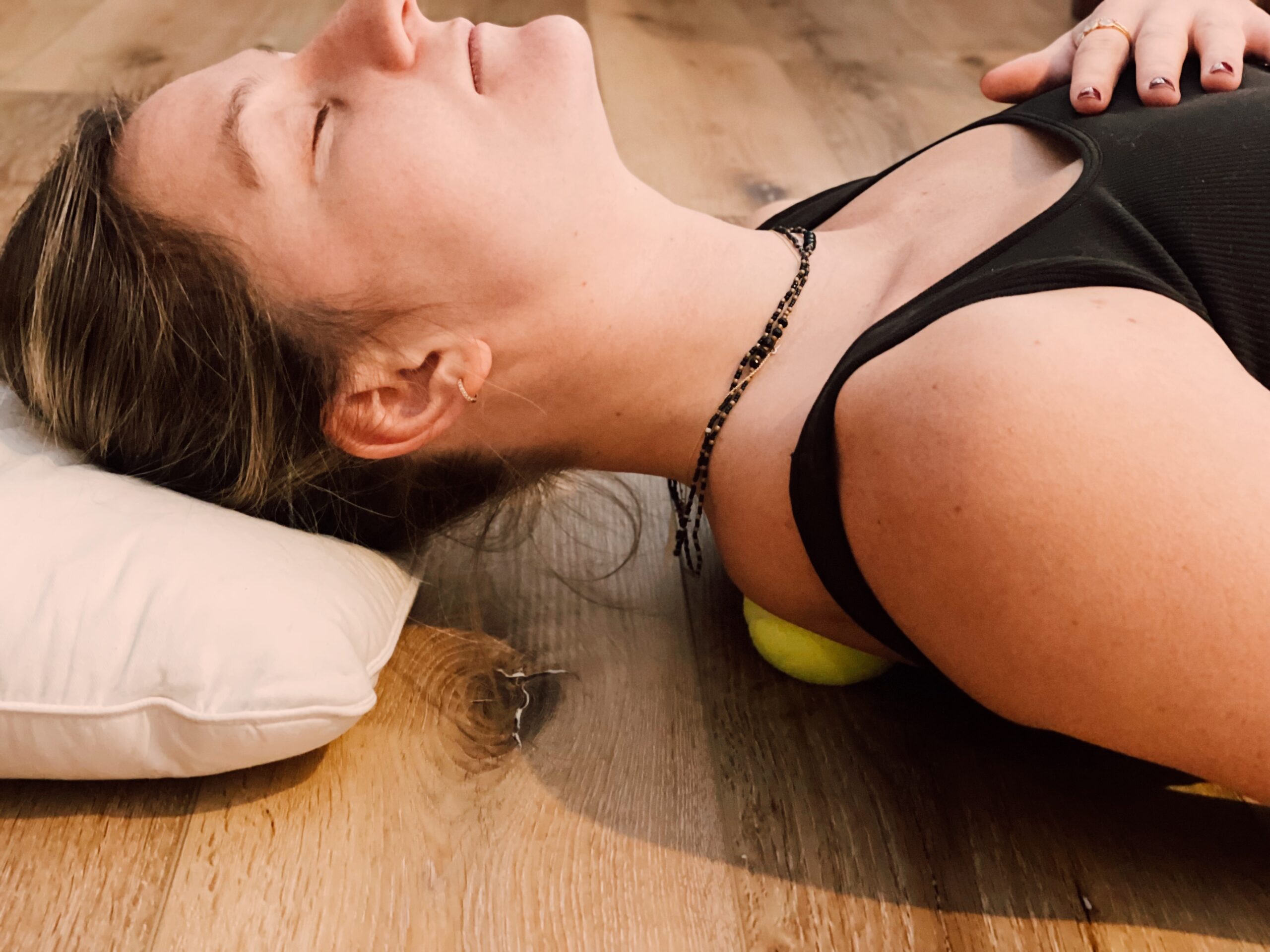
Tennis ball on top of the shoulder blade

Rejuvenate and mobilize the upper back and shoulder blades with tennis ball rolling. This exercise targets the muscles in the upper back that have become chronically lengthened by internally-rotated arms: the infraspinatus and teres minor and the trapezius muscles.

Lie on your back and place a tennis ball on top of your shoulder blade. Use a pillow under your neck for proper head alignment.

Hug the opposite shoulder in order to increase pressure on the ball.

Push with your feet to move the ball, finding a tender spot. Try to relax while breathing normally. Hold for 20-30 seconds.

Gently move your body up, down and sideways to find additional sore spots.

Tennis ball on the back of the neck
A woman is stretching on the floor with another person.
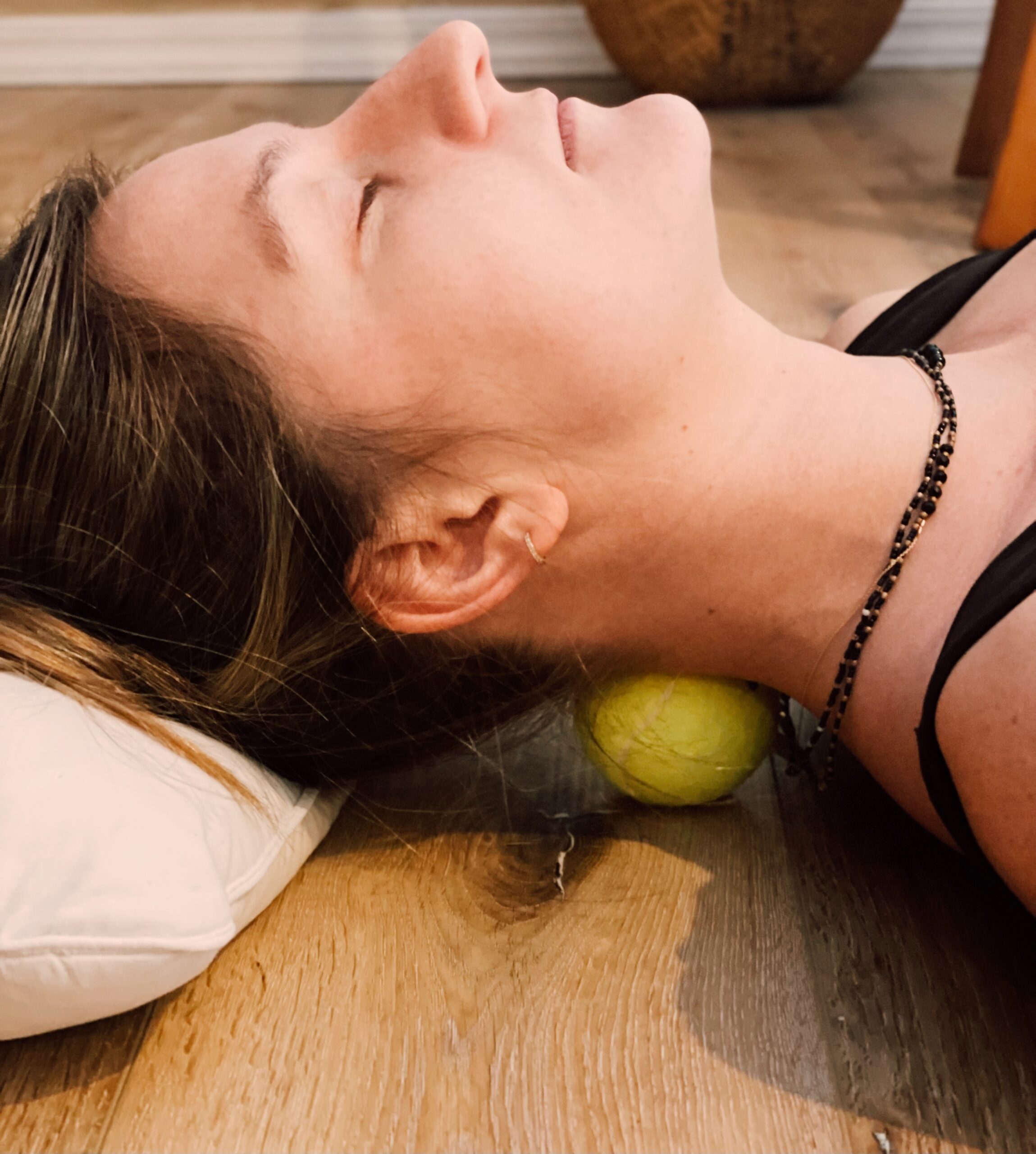
The “Tennis ball on the back of the neck” exercise can ne used to target specific tight or sore spots.

This exercise helps regenerate the tissues of the neck—so that the neck can flex more easily—and allows the head to move back into better alignment.

Lie on your back and place a tennis ball under your neck. Use a pillow or towels to support your head.

Apply pressure for 20-30 seconds at each sore spot, for a total of 2-3 minutes.

Next, perform the following stretch:

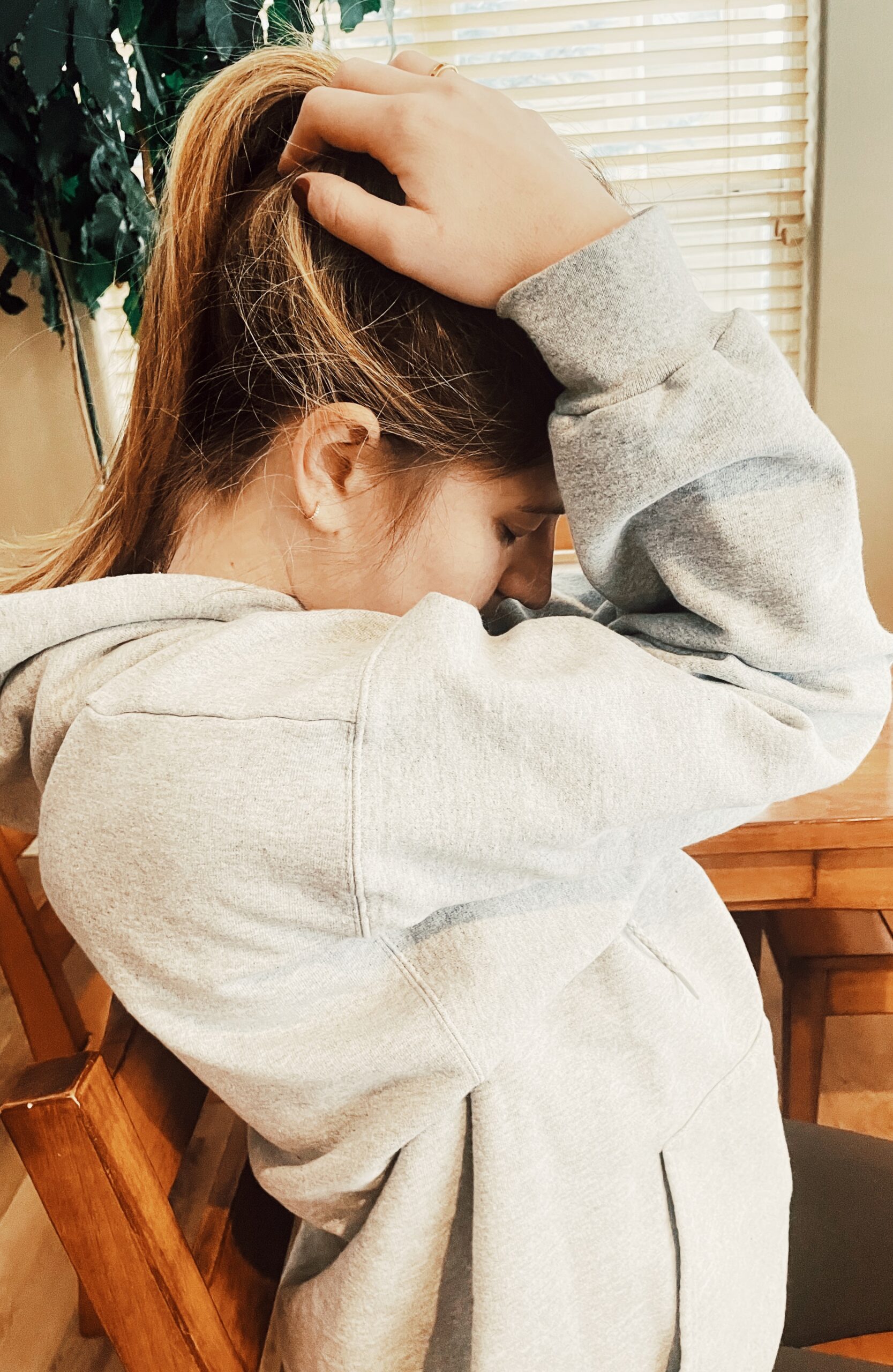
Back of neck stretch
A woman is stretching on the floor with another person.
Neck stretching can help provide relief from tension and pain.

The muscles of the neck have a natural curve to help maintain stability and maintain alignment over the body. When this curve is overstretched or exaggerated in any way, it can become quite uncomfortable. This stretch helps release tightness in the neck.

Place your hands on top of your head, keep your elbows together, and pull your shoulders down using your mid-back muscles.

Pull your chin to your chest to feel the stretch in the back of your neck and shoulders.

Hold for 20 seconds, and repeat the cycle three times.

Published in the Idaho Mountain Express Jan.5, 2024.
https://www.mtexpress.com/wood_river_journal/features/fitness-guru-how-to-find-tight-neck-and-shoulder-relief/article_07ce84f8-ab2a-11ee-a9ff-a7fbfeece97e.html

Think twice about skipping the gym

A woman is stretching on the floor with another person.

For muscles to grow and change, the stimulus must be great enough to allow the muscles to grow back stronger than before. Muscle growth happens whenever the rate of protein synthesis is greater than the rate of muscle protein breakdown. Resistance training can profoundly stimulate muscle cell hypertrophy and, as a result, gain strength.

Just a single bout of exercise stimulates protein synthesis within 2-4 hours after a workout and may remain elevated for up to 24 hours.

There’s no exact measurement as to how much muscle you can build in a month, but it’s typically between one-half to two pounds of muscle. Overall, the timeframe generally takes several weeks or months to be apparent. Greater changes in muscle mass will happen in individuals with more muscle mass at the start of a come back. Other variables, such as volume, training intensity, genetic factors, rest, hormone levels and diet, all affect muscle gain outcomes.

Commonly our muscle mass and strength increases steadily and reaches its peak at around 30-35 years of age. After age 40, men lose as much as 3-5 percent of their muscle mass per decade. And, unfortunately, studies from the Baltimore Longitudinal Study of Aging found that muscle power declines faster after age 65 for women, and 70 for men. We really can’t “stop the clock.†So, it’s important that we push our muscles as we age. Dr. Len Kravitz, program coordinator of exercise science at the University of New Mexico, happily shares that the ravages of time on muscles have been shown to be restrained or even reversed with regular resistance training.

Of course, life and unwanted stuff happens, and it’s quite all right to take two or three weeks off. Sometimes you just need rest and recovery. Yes, your ability to generate force in the muscles does take a hit. You might notice that the 10 body-weight squats you once did with ease now have you huffing and puffing. Thanks partly to muscle memory, you can get back lost muscle quicker than you thought, reverse muscle loss, and continue to progress.

https://www.mtexpress.com/wood_river_journal/features/fitness-guru-think-twice-about-skipping-the-gym/article_baa3bce2-79c5-11ee-9c1f-6b985a4275e7.html

Learn Hip Airplane for strong hips and stability

If you’re trying to get the most out of your leg program, you might want to try an exercise called Hip Airplane. I know a lot of us use squats and lunges to stay strong for strength in the sports we enjoy. With ski season right around the corner, you’ll need good hip function. Good hip function keeps you symmetrical on skis, or in a squat, minimizes any hip shifting, and helps mobility. The Airplane is an exercise that targets the posterior hip muscles, the Gluteus Medius and Maximus. Strengthening these muscles is important, as your glutes are key lateral stabilizing muscles of the hip and legs, including the hamstrings.

Along with teaching you good pelvic control, which can eliminate back pain, or excessive motion in your back (not good) the Airplane also targets six muscles in the deep gluteal region known as external rotators of the hip joint. Yes, squats and lunges are fundamental strengthening exercises. Your glutes have to work hard when you lift yourself out of the bottom of a squat. But squats are typically performed in a one plane of motion-up and down. Very few exercises work on the rotational aspect of a move. The Airplane does just that: it helps improve your mobility, especially if you are tighter on one side. For skiers who feel like they are tighter turning one way than the other, this can be a helpful pre-season exercise.

Airplane is also a terrific neuromotor exercise. Performing it throughout the season can improve your motor skills, such as balance, coordination, agility, gait and proprioception. The advantage of practicing most single leg exercise is that any neuromotor exercise helps solidify a connection between the nervous and muscular systems.

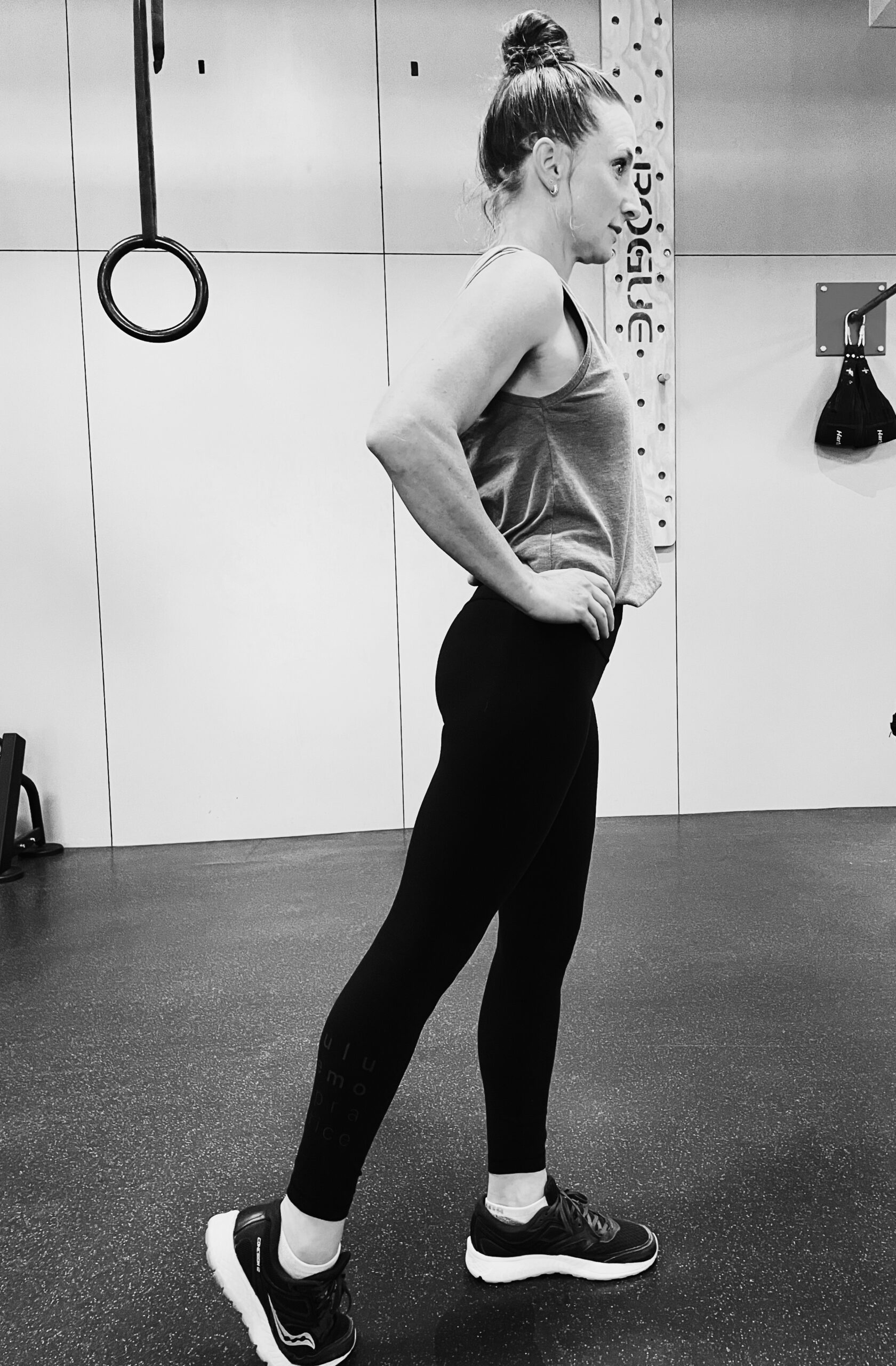
Hip Airplane:

A woman is stretching on the floor with another person.
To begin, ground one foot into the floor.

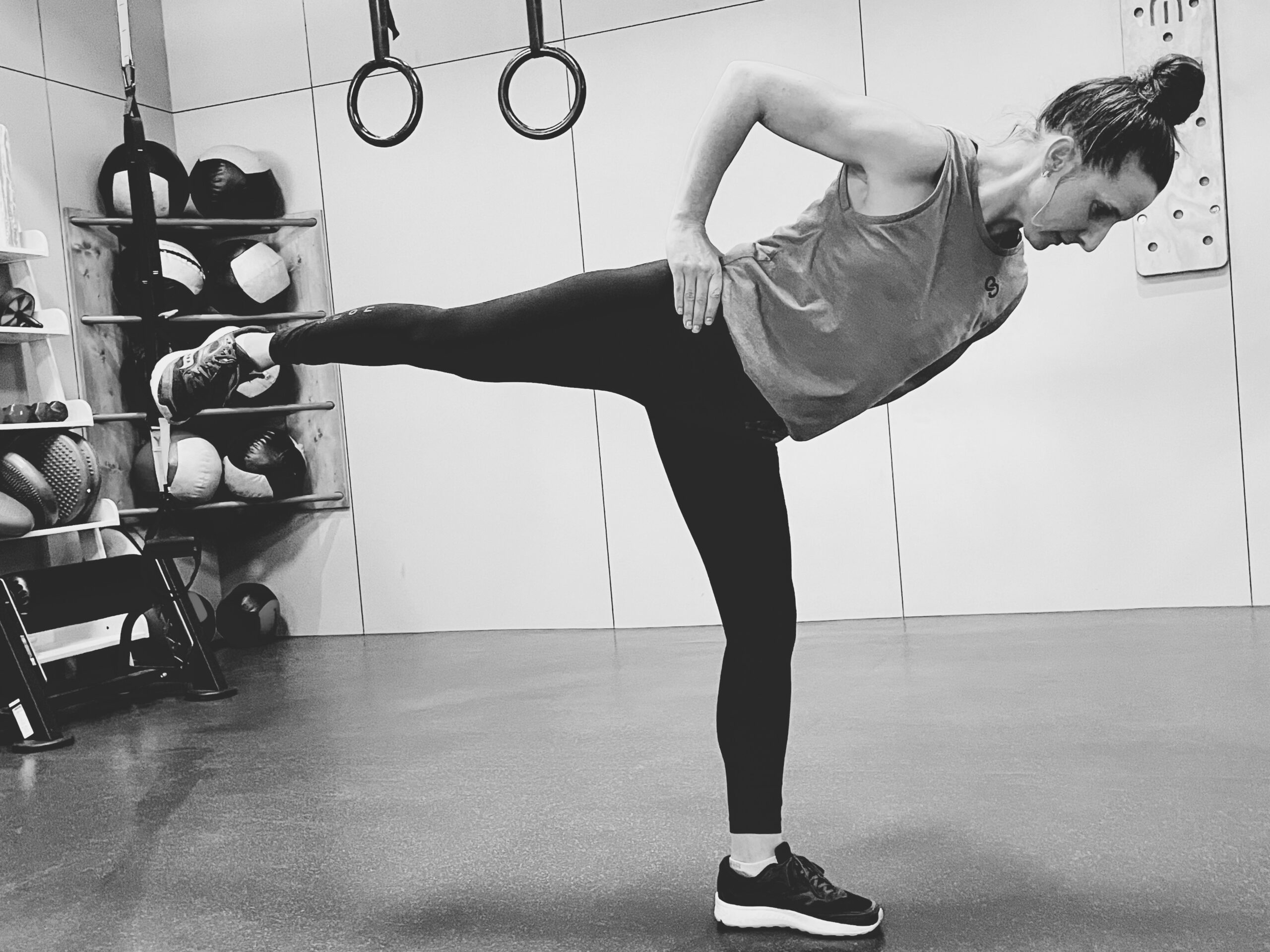
1. Place your hands on your hips. Ground one foot into the floor, hinge from your hips, and lift the opposite leg back.

A woman is stretching on the floor with another person.
Hinge from your hips, and lift the opposite leg back. Hold 5 seconds.

2. Open the hip about 2 inches, or as far as you can, squeezing the glute. Hold 5 seconds.

A woman is stretching on the floor with another person.

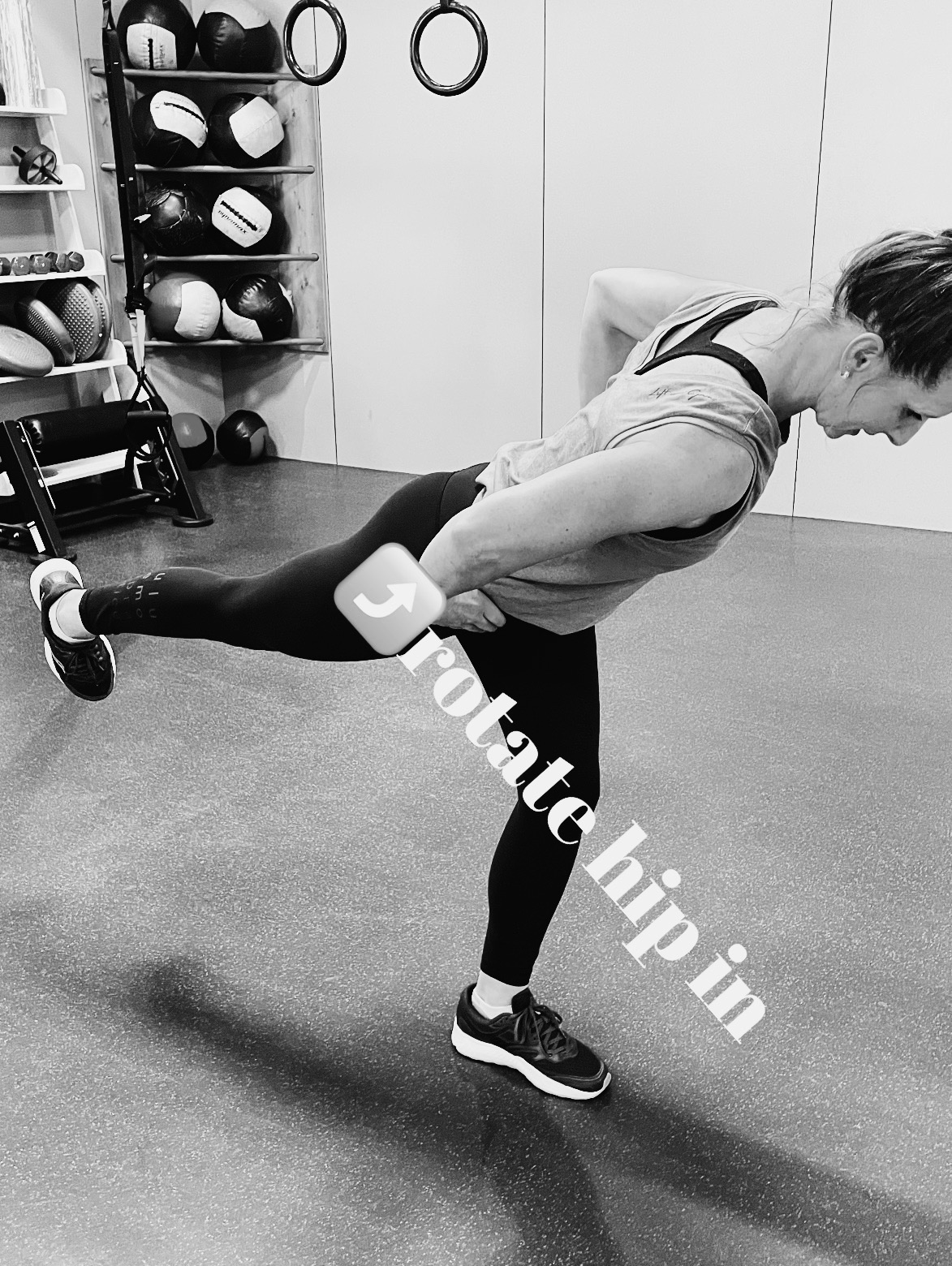
Tip- Steer the hip inward around the pelvis.

3. Drop the hip inward: you’ll feel a good stretch. Hold 5 seconds.4. Return to start.

A woman is stretching on the floor with another person.
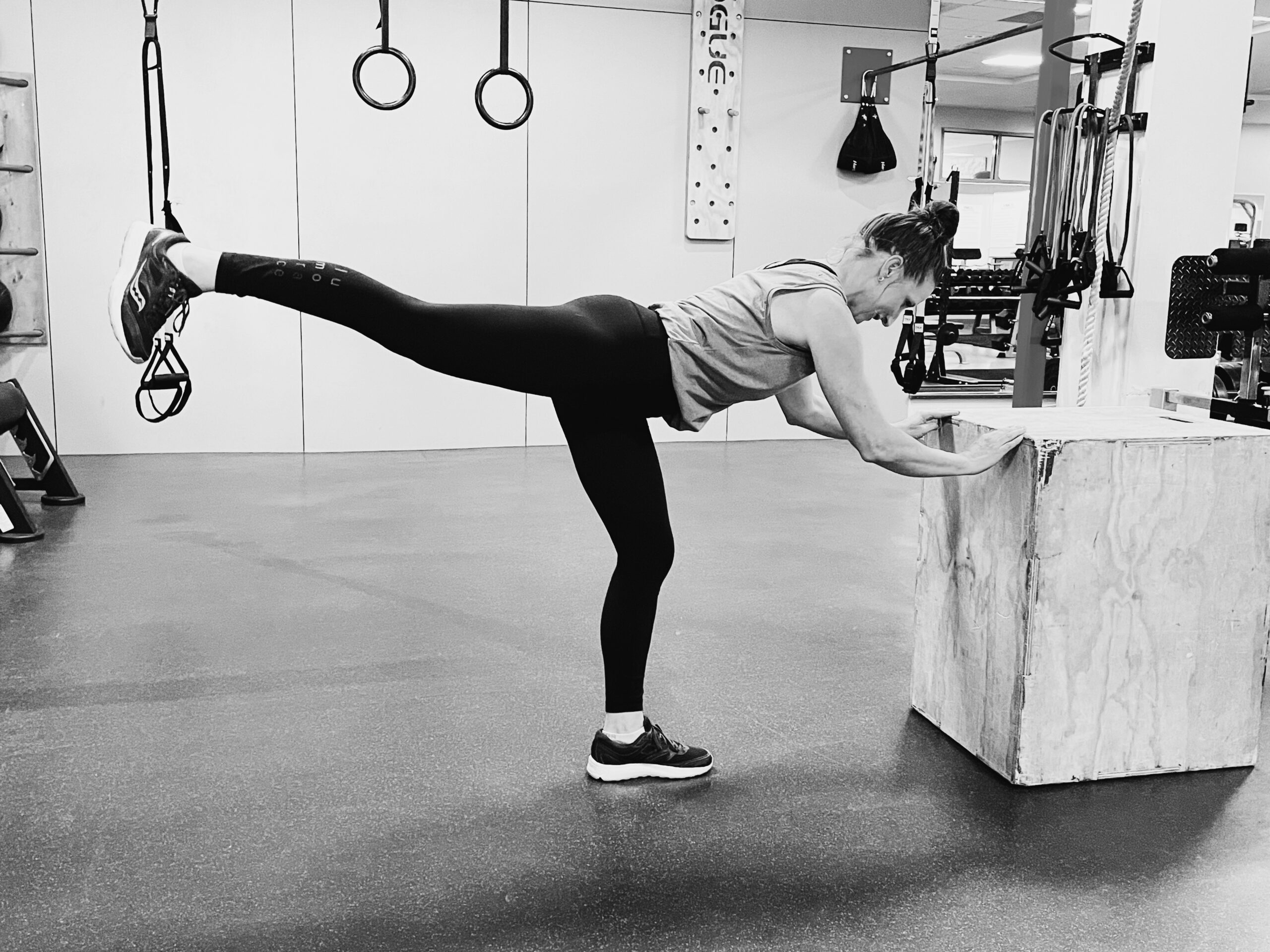
Keep pressing into the stance foot, and fully extend your back leg, squeezing the gluteals.

5. To make it easier : Hold onto a bar or wall for support. You can also use your arms for balance.

https://www.mtexpress.com/wood_river_journal/features/fitness-guru-learn-hip-airplane-for-strong-hips-and-stability/article_420951ca-62f5-11ee-b984-5fd4ce48995e.html

 Improve your motor skills with crawling and bird dogs

Watch children play outside on a lawn and you can be sure they are crawling, rolling or somersaulting. From the time we kick and crawl as infants, our motor skills continue to evolve, leading to higher physical activity over a life span. There’s a new trend in fitness programs that focuses on ground-based fundamental or “primal†movements, like crawling. Some of these programs, like Animal Flow, are exercises performed in the quadruped position, linked together in continuous sequences called flows.

If you enjoy yoga flow, Animal Flow is quite similar, though not necessary performed completely on the hands and feet, in a quadruped stance. The later promotes reconnecting with your body’s natural movement abilities, or “primitive movement patterns,†ones of our four-egged friends, to improve function of the “human animal.†Studies show that an eight-week, twice-per-week Animal Flow program, in addition to regular exercise, increased trunk stability scores, range of motion and motor competence.

Crawling lights up your muscles

If we take away the 100-mile-an-hour lawn crawl that children love to show-off, the crawl itself is a body weight exercise that improves motor control mechanisms for better balance and coordination. Adam Eckhart, assistant professor at Kean University has studied how when we are upright, either walking or running, built in motor programs generated in the spinal cord play an important role in the rhythmic coupling of our arms and legs. When you step over an obstacle, he says, the central pattern generators adapt the timing and counterbalancing limb movements to adapt to changes in stability.

Studies show that patients with Parkinson’s disease have higher sensory signals in the arms when anticipating a step obstacle, concluding that a robust arm-leg coupling awareness is very helpful. Stroke patients conversely, rely on the same motor muscle activity in their arms to counterbalance difficulty lifting a leg over a step obstacle.

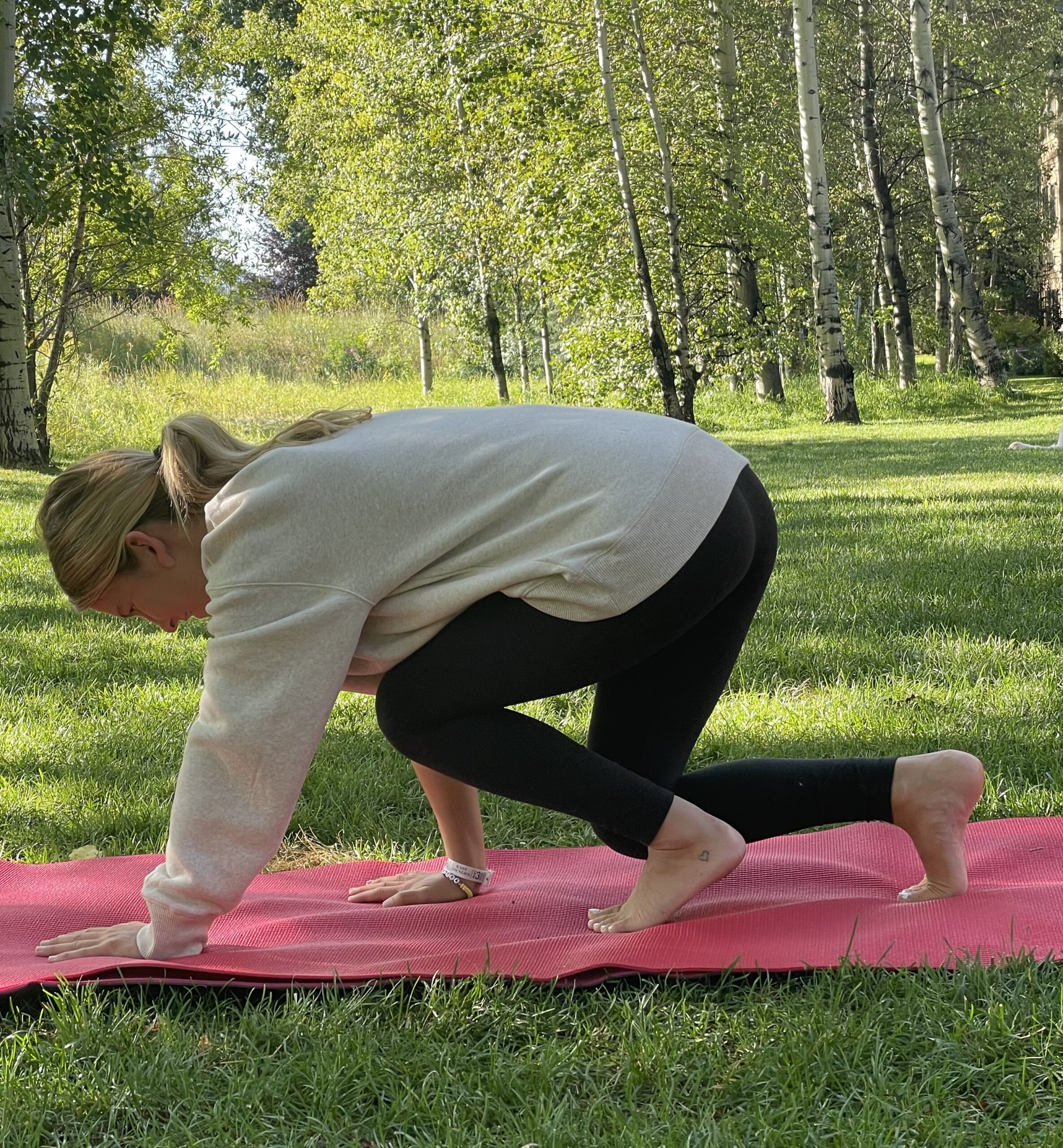
Compared to walking, hand-foot crawling lights all your muscles up, especially with added speed. Loads on the shoulders, triceps, quadriceps, hamstrings and calves change, depending on the whether the hips are high or low.

Four-point kneeling dogs

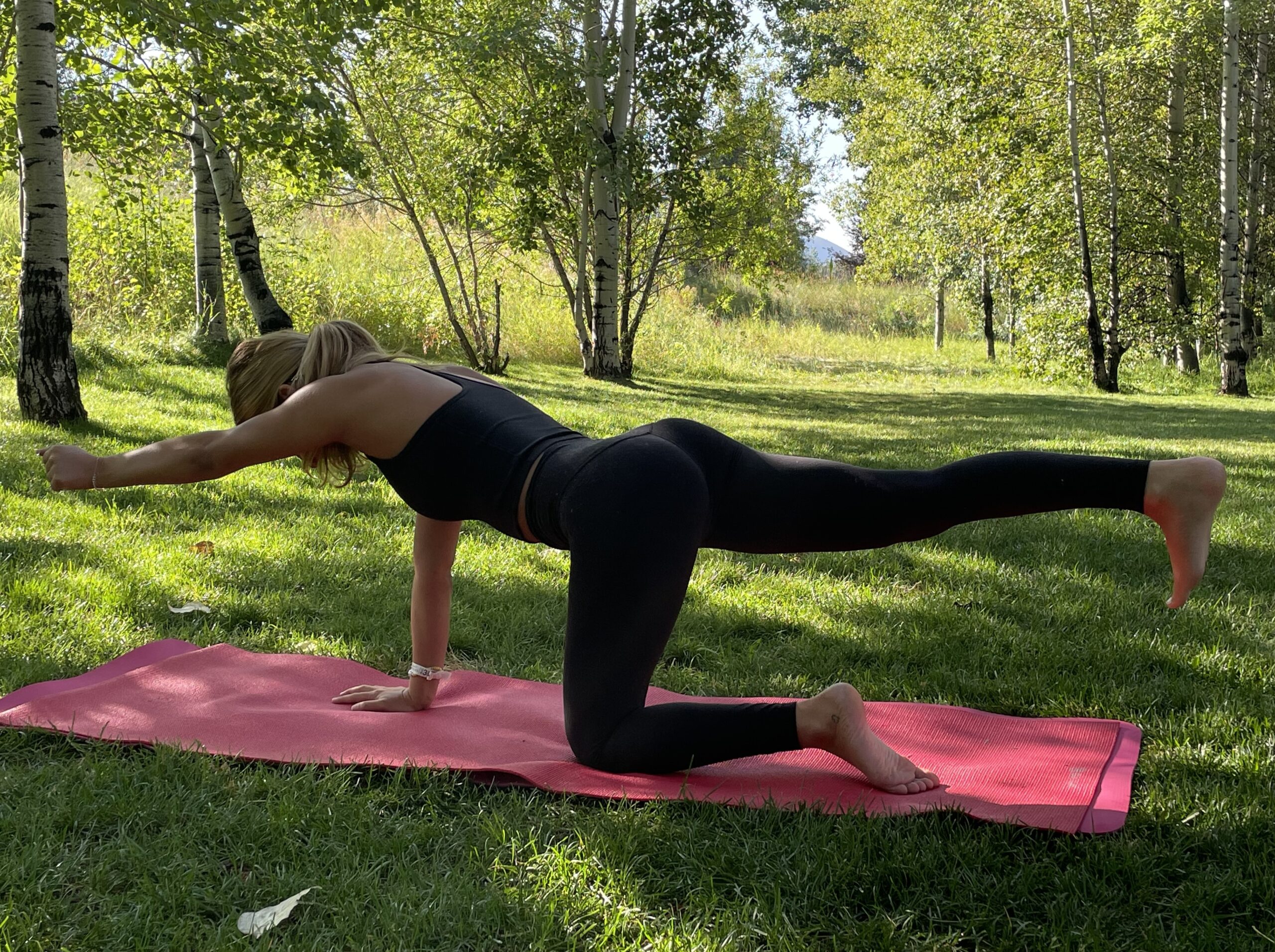
If animal flow feels too intimidating, another quadruped exercise called Bird Dog, (with variations) is an important go-to. Evidence shows that these simple but important exercises aid in balance and coordination when we’re upright, on two legs. Bird Dog, (also known as the quadruped limb lift) is one of the most important exercises used in low-back stabilization programs as it targets the back as well as the hip extensors. It also teaches the discipline of using proper hip and shoulder motion while maintaining a stable spine, says Stuart McGill.

A woman is stretching on the floor with another person.
Forward crawling. Photos by Connie Aronson
A woman is stretching on the floor with another person.
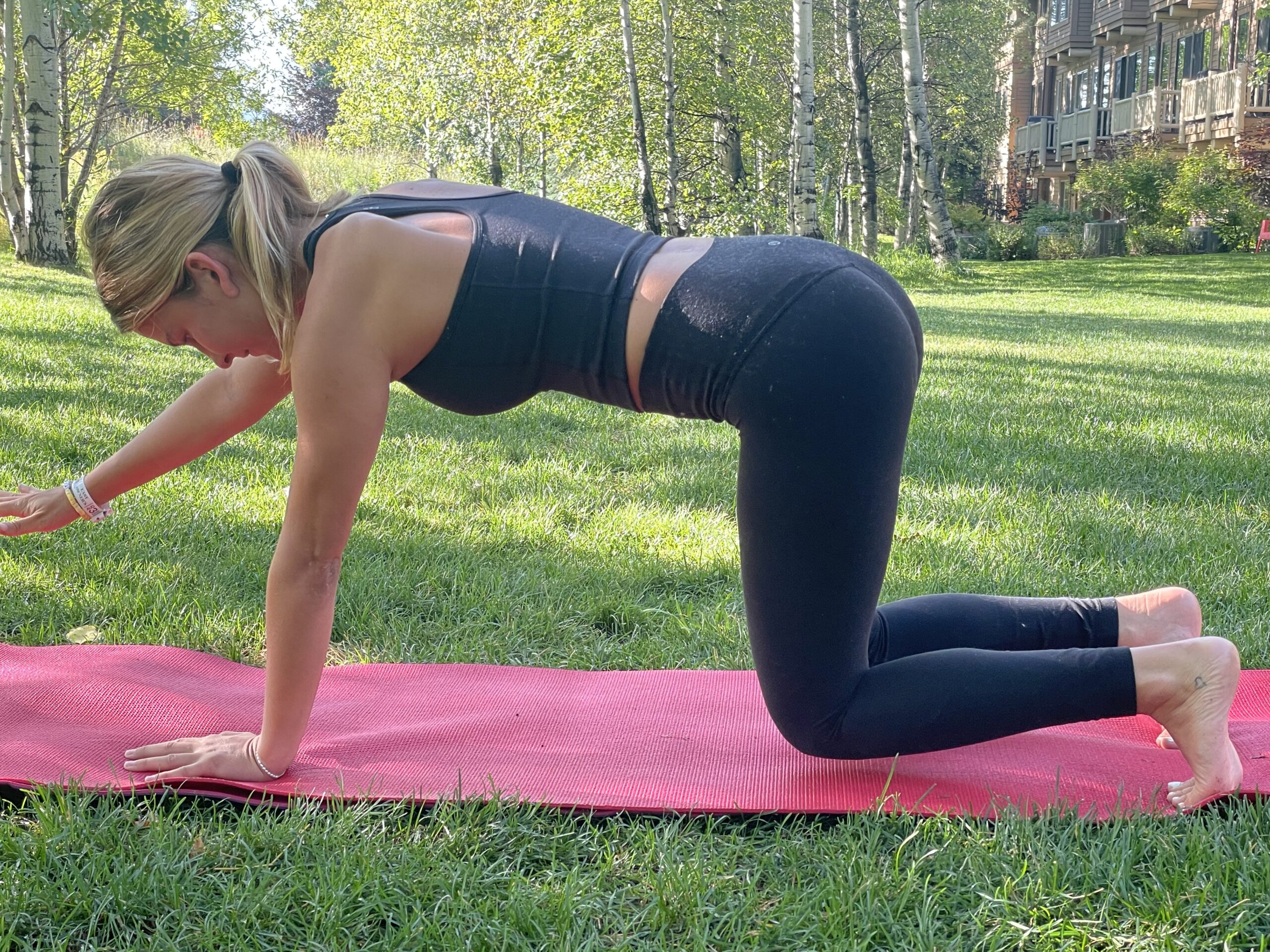
Knees elevated with one arm lifted.
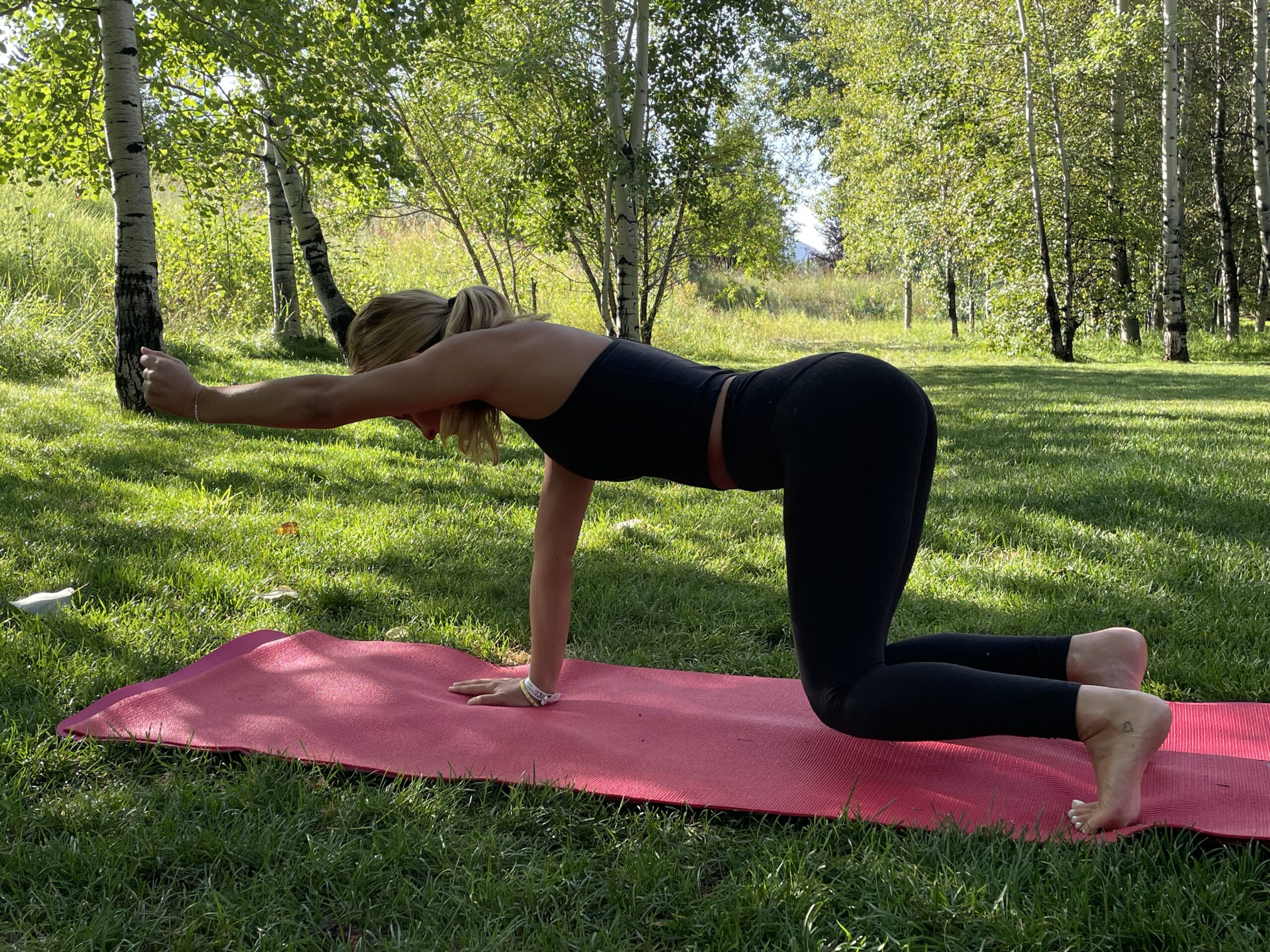
Knees elevated with one arm fully extended. Photo by Connie Aronson
A woman is stretching on the floor with another person.
Bird dog. Photo by Connie Aronson
A woman is stretching on the floor with another person.
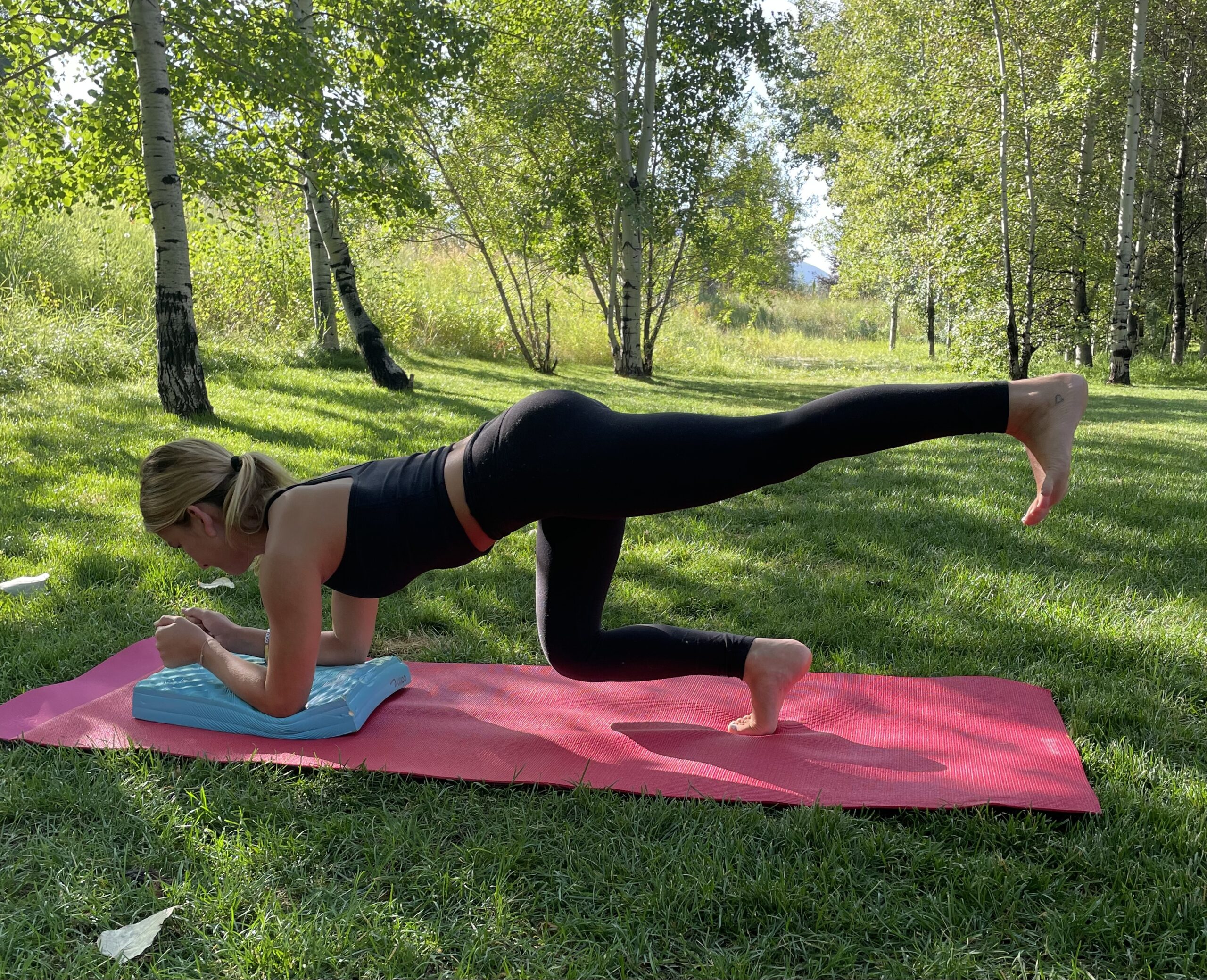
Arms on foam pad, knee elevated, leg extended. Photo by Connie Aronson
A woman is stretching on the floor with another person.

Bird Dog starts in a four-point kneeling position, with a contralateral arm and leg lift. The act of raising opposing limbs changes the types of stress on the body and impels the body in the redistribution of forces in an unfamiliar way, forcing the body to adapt. By alternating the base of support, such as using an unstable upper body support, like a foam pad, research shows that you’ll improve total body joint stability, joint proprioception, and range of motion.

The goal of any fitness program is to train your body for the sports and activities you enjoy and to prevent injury. Overall, quadruped movements are simple, fun, and important fundamental movement patterns.

https://www.mtexpress.com/wood_river_journal/features/fitness-guru-improve-your-motor-skills-with-crawling-and-bird-dogs/article_203fff00-3701-11ee-b736-4f7a28cdca1b.html